


Home Remodeling Projects That Add the Most Value in New Jersey
Remodeling your home is a big investment.
And if you're like most homeowners, you don't want to spend $50,000, $75,000, or even $100,000 on a project without knowing what you're getting in return.
That's where things get tricky.
You can find plenty of lists online claiming that kitchens, bathrooms, basements, or outdoor spaces are the “best” remodeling investments. But the reality is more complicated.
The renovation with the highest potential return isn't necessarily the best project for your house.
Your home's age, location, condition, neighborhood, budget, and how long you plan to stay all matter.
We believe the smarter question is:
Which remodeling project gives us the best combination of home value, functionality, durability, and enjoyment for the money we're spending?
That's the approach we'll take here.
We'll look at the remodeling projects that can add value, what current industry data tells us, which improvements deserve priority, and where homeowners can waste money by remodeling too far beyond what their home or neighborhood supports.
What Does “ROI” Really Mean in Home Remodeling?
Let's clear up one common misconception first.
A remodeling project's ROI isn't the same thing as making money.
If you spend $30,000 on a renovation and the project contributes $24,000 in resale value, you've recovered 80% of your investment. You haven't made an 80% profit.
That's an important distinction when you're comparing remodeling projects.
Current Cost vs. Value research from the Journal of Light Construction compares the average cost of remodeling projects with the value they retain at resale across 119 U.S. markets. The 2025 report shows just how different returns can be from one project to another.
For example, in the Middle Atlantic region, a midrange minor kitchen remodel was estimated to recoup 107.2% of its cost, while a major kitchen remodel was estimated to recoup only 49%.
That's a huge difference.
So when we talk about “value,” we don't look at the renovation price alone. We look at what the project accomplishes for the homeowner and what it could contribute to the property later.
10 Home Remodeling Projects That Can Add Value

Not every project will make sense for every New Jersey home.
But these are the improvements we would consider when evaluating a home's potential return, functionality, and resale appeal.
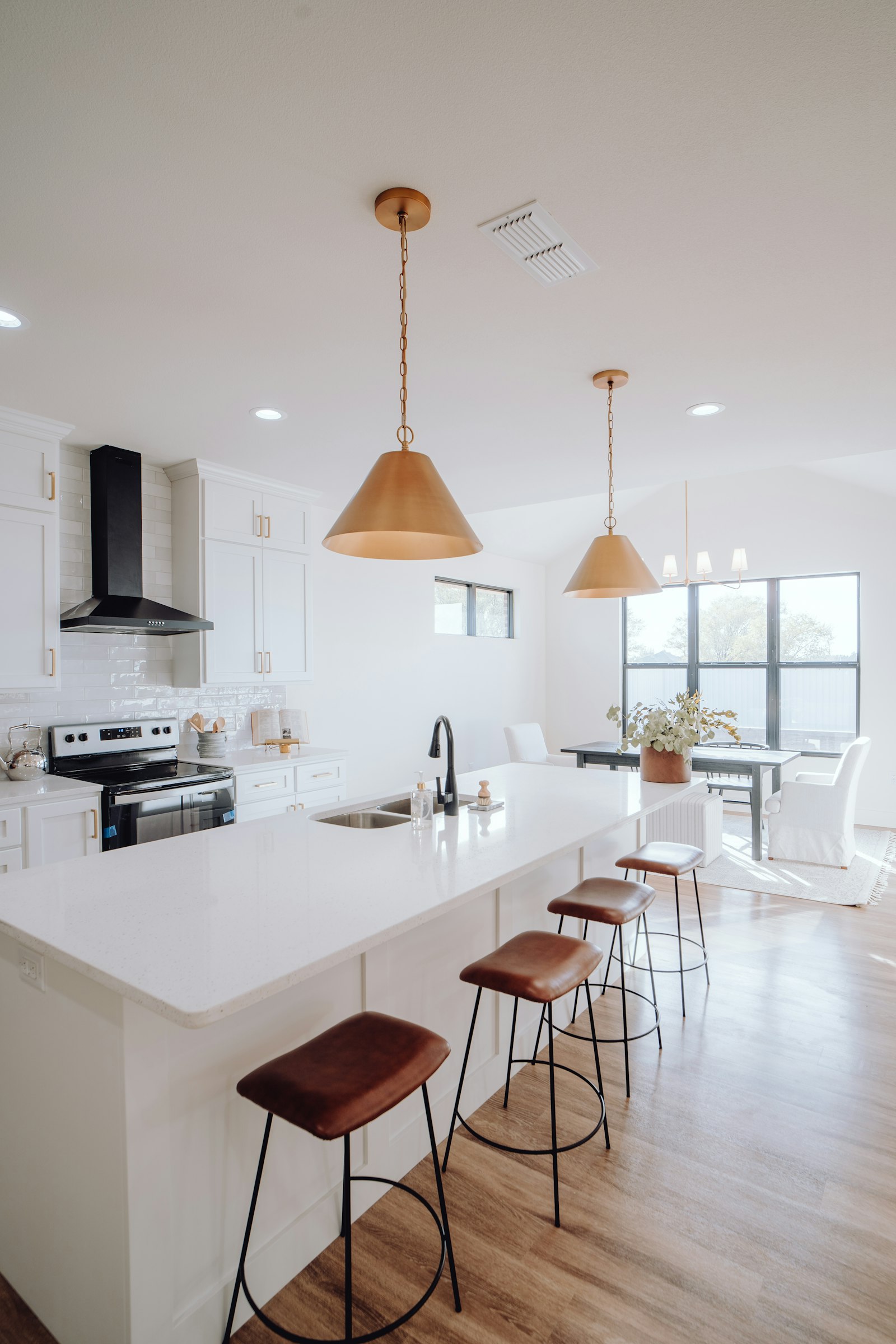
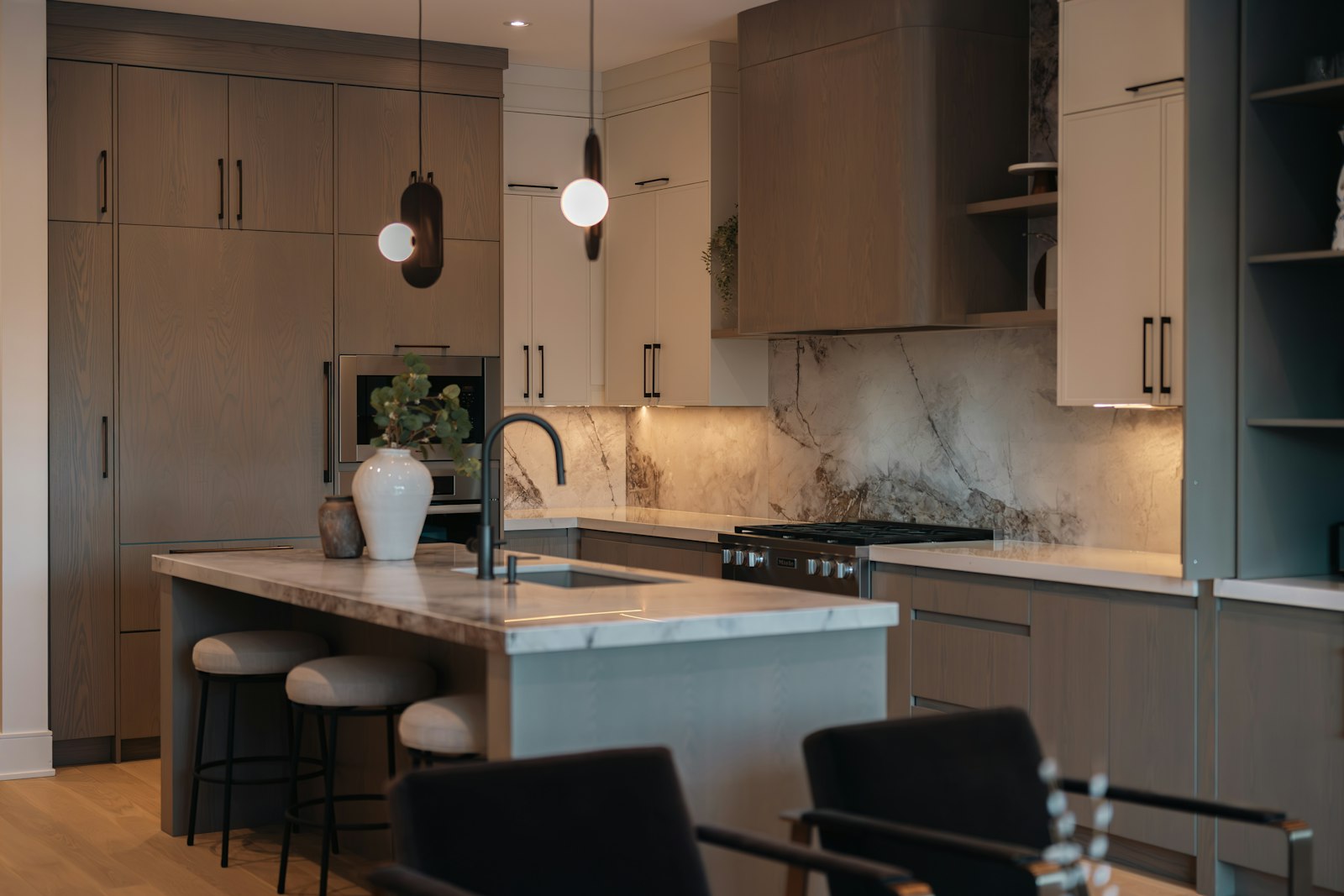
1. A Minor Kitchen Remodel
The kitchen is often where homeowners want to start.
And there's a good reason.
Buyers notice kitchens immediately. Homeowners also use them every day.
But there's a major difference between updating a kitchen and completely rebuilding one.
A minor or midrange remodel might include:
Cabinet refacing or repainting
New countertops
Updated backsplash
Modern lighting
New hardware
Improved storage
Updated appliances
New flooring
Plumbing fixture upgrades
You may not need to move walls or install the most expensive cabinets available.
In fact, current Cost vs. Value data illustrates why moderation can matter. The 2025 Middle Atlantic figures estimate a 107.2% cost recovery for a midrange minor kitchen remodel compared with 49% for a major kitchen remodel.
That doesn't mean every New Jersey kitchen remodel will produce those exact results.
It means we should think carefully before assuming that a more expensive kitchen automatically creates more value.
Our takeaway: Improve the kitchen's function and appearance without automatically turning it into the most expensive room in the house.
2. Bathroom Remodeling
Bathrooms are another area where thoughtful improvements can make a noticeable difference.
A dated bathroom can make an otherwise well-maintained home feel older than it really is.
A bathroom renovation could include:
A new vanity
Updated lighting
Modern flooring
A walk-in shower
Better ventilation
New fixtures
Improved storage
Water-efficient plumbing fixtures
Accessibility improvements
The key is to create a bathroom that feels clean, functional, durable, and broadly appealing.
We don't recommend designing a bathroom around an extremely specific personal taste if resale value is one of your goals.
You want homeowners to enjoy the space today while keeping tomorrow's buyer in mind.
3. Exterior Improvements and Curb Appeal
You don't get a second chance to make a first impression.
That applies to houses, too.
Before a buyer sees your kitchen or bathroom, they see the exterior.
That makes curb appeal one of the more practical areas to consider.
Potential improvements include:
Exterior painting
New siding
A new entry door
Garage door replacement
Landscaping
Exterior lighting
Walkway improvements
Updated porch or entry areas
The 2025 Cost vs. Value report is particularly interesting here. In the Middle Atlantic region, garage door replacement was estimated at 336.6% cost recouped, while steel entry door replacement was estimated at 219.8%.
Those numbers shouldn't be treated as guarantees. They are averages based on a specific methodology.
But they demonstrate something important:
Small, visible exterior improvements can sometimes outperform much larger remodeling projects when it comes to cost recovery.
4. Basement Remodeling
New Jersey has plenty of homes with basements, and that space can represent an opportunity.
An unfinished or poorly used basement can potentially become:
A family room
Home office
Recreation area
Guest space
Home gym
Hobby room
Storage area
Additional bathroom
But there's one rule we would never skip:
Fix the basement before finishing the basement.
If you have water intrusion, drainage problems, mold, foundation concerns, or other moisture issues, those problems should come first.
There's no point putting beautiful flooring and finished walls over an underlying moisture problem.
A finished basement should add usable space—not hide a problem.
5. Energy-Efficient Improvements
Energy efficiency isn't always as visually exciting as a new kitchen.
But it can make a home more comfortable and potentially reduce operating costs.
Depending on the property, improvements might include:
Insulation
Air sealing
Energy-efficient windows
HVAC upgrades
Efficient water heating
Better ductwork
Smart thermostats
Energy-efficient lighting
The value here comes from more than resale.
You may also benefit from improved comfort and lower operating costs while you live in the home.
That's why we wouldn't judge an energy upgrade solely by its immediate resale ROI.
6. Outdoor Living Areas
Decks, patios, porches, and outdoor entertaining areas can make a home more enjoyable.
They can also create another place for buyers to imagine themselves using.
Potential improvements include:
Decks
Patios
Screened porches
Outdoor seating
Lighting
Fire features
Outdoor kitchens
But again, bigger isn't automatically better.
A $75,000 outdoor project may not make sense for a house where neighboring properties have simple patios.
Your renovation should fit the home and the neighborhood.
7. Roof Replacement
A new roof isn't always the first thing homeowners think of when they hear “value-adding renovation.”
But a failing roof can become a major liability.
Leaks can damage ceilings, insulation, framing, drywall, and other parts of the house.
More importantly, buyers don't want to inherit an expensive roof problem.
The 2025 NAR Remodeling Impact Report found that new roofing received one of the highest homeowner “Joy Scores,” tied with a kitchen upgrade and primary bedroom suite addition.
That doesn't mean replacing a perfectly good roof will automatically produce a strong financial return.
It means that when a roof is aging or failing, addressing it can protect the condition and marketability of the property.
8. Flooring Improvements
Flooring has a powerful visual effect.
Worn, damaged, mismatched, or outdated flooring can make an entire house feel neglected.
Depending on the property, homeowners may consider:
Hardwood
Engineered wood
Luxury vinyl
Tile
Carpet in appropriate areas
We recommend thinking about consistency, durability, and the home's overall style.
You don't necessarily need the most expensive flooring.
You need flooring that looks appropriate, performs well, and works with the rest of the house.
9. Garage and Entry Improvements
Sometimes the best remodeling opportunity is hiding in plain sight.
Your garage door and front entry are highly visible from the street.
And current data suggests these projects deserve serious consideration.
The 2025 Middle Atlantic Cost vs. Value figures estimated 336.6% cost recouped for garage door replacement and 219.8% for steel entry door replacement.
Again, these figures should be interpreted carefully rather than used as promises.
But the lesson is clear:
A relatively focused project can sometimes create more value per dollar than a massive renovation.
10. Flexible Living Space
The way we use our homes has changed.
One room may need to serve as an office today, a guest room tomorrow, and a workout or hobby space later.
That's why flexible spaces can be useful.
Instead of creating an extremely specialized room, consider spaces that can adapt.
A finished basement, spare bedroom, loft, or bonus room can potentially serve multiple purposes.
The broader principle is simple:
Give future homeowners options.
How Should We Prioritize Home Remodeling Projects?

This is where homeowners can save the most money.
We recommend thinking about renovations in five levels.
1. Protect the house
Address:
Roof problems
Foundation concerns
Water intrusion
Structural damage
Electrical issues
Plumbing problems
2. Prevent bigger expenses
Fix problems that could become more expensive if ignored.
3. Improve functionality
Make the house work better for the people living in it.
4. Improve appearance and resale appeal
Focus on kitchens, bathrooms, flooring, curb appeal, and other visible improvements.
5. Add lifestyle features
Consider outdoor living, entertainment areas, specialty rooms, and other personal upgrades.
This approach keeps us from making a common mistake: spending thousands on cosmetic improvements while ignoring a problem that could damage the home.
What Renovations May Not Be Worth the Money?
We're not going to tell you that every renovation is a good investment.
Some aren't.
The biggest warning signs include:
Overly expensive luxury finishes
Highly personalized rooms
Removing useful bedrooms
Making the home significantly nicer than surrounding properties
Building features future buyers may not want
Remodeling without fixing underlying problems
Choosing trends that may quickly become dated
A renovation can be beautiful and still have a weak financial return.
That's okay if you're doing it primarily for your own enjoyment.
But if resale value matters, we need to balance personal taste with broader buyer appeal.
How Much Should We Spend on a Remodel?

There isn't one percentage that works for every home.
Instead, consider:
Current home value
Neighborhood values
Comparable properties
Project scope
Your available budget
How long you plan to stay
Expected maintenance
Potential resale appeal
We also recommend keeping a contingency reserve.
Once walls are opened, contractors sometimes discover conditions that weren't visible during the initial planning stage.
That might include outdated wiring, plumbing problems, water damage, structural issues, or other hidden conditions.
A renovation budget that uses every available dollar leaves little room for surprises.
Don't Confuse ROI With Homeowner Happiness

This is one of the most interesting findings in current remodeling research.
NAR's 2025 Remodeling Impact Report found that some of the projects producing the greatest homeowner satisfaction were not necessarily the projects with the highest estimated cost recovery.
Primary bedroom suite additions, kitchen upgrades, and new roofing received the highest Joy Scores. Meanwhile, the projects with the strongest estimated cost recovery included steel front doors, closet renovations, and fiberglass front doors.
We think this is an important distinction.
You don't live inside a spreadsheet.
If a kitchen renovation makes your home work dramatically better for the next 10 years, that has value—even if you don't recover every dollar when you sell.
The best remodeling decision balances financial value and personal value.
New Jersey Remodeling Requires More Than a National ROI Number

New Jersey homeowners should also think locally.
Homes can vary significantly by age, construction type, neighborhood, and market.
Older homes may require more attention to existing electrical, plumbing, structural, insulation, or moisture conditions before cosmetic improvements begin.
Permits matter, too.
New Jersey's official guidance notes that building permits are generally required for many building, structural, electrical, HVAC, and plumbing projects, with local construction departments handling permits and inspections.
That means a remodeling budget shouldn't be based only on cabinets, flooring, countertops, or fixtures.
We need to account for the work required to bring the project together properly.
How We Calculate Remodeling ROI

A simple way to think about potential ROI is:
Estimated ROI = Estimated increase in value ÷ Remodeling cost × 100
For example, if a $30,000 project contributes an estimated $24,000 in resale value:
$24,000 ÷ $30,000 × 100 = 80%
But don't treat that number as a guarantee.
Real-world results depend on:
Local market conditions
Project quality
Materials
Property condition
Neighborhood
Timing
Buyer preferences
Contractor workmanship
That's why we use ROI data as a decision-making tool—not as a promise.
Should We Remodel or Move?

Sometimes remodeling is the right answer.
Sometimes moving is.
Remodeling may make sense when you like your location, the neighborhood works for you, and your home's basic structure and layout can support the changes you need.
Moving may make more sense when the property has major structural limitations, the neighborhood no longer meets your needs, or the renovation would require too many compromises.
Before committing to a major remodel, compare the renovation cost with the financial and practical costs of moving.
The goal isn't to remodel because remodeling sounds exciting.
The goal is to create the home you need at a cost that makes sense.
Our Home Remodeling ROI Checklist

Before starting a project, we recommend asking:
What problem are we solving?
Is this a repair or an upgrade?
Will delaying the project create additional damage?
What do comparable homes look like?
Does the project fit our neighborhood?
How much can we realistically spend?
Have we allowed for unexpected costs?
Will the improvement make the house more functional?
Will it appeal to future buyers?
Are we over-customizing?
Do we need permits?
How long do we plan to stay?
Would remodeling make more sense than moving?
If you can answer those questions clearly, you're already in a much stronger position.
Final Thoughts: The Best Remodeling Investment Is the One That Fits Your Home
There is no single renovation that will always produce the best return.
And that's probably the most important thing to understand before starting a project.
Current industry data can help us identify patterns. For example, the 2025 Cost vs. Value report shows strong cost recovery for certain exterior and smaller remodeling projects in the Middle Atlantic region, while larger projects can produce very different results.
But your house isn't average.
It's your house.
That's why we believe the smartest remodeling strategy is to protect the property first, improve functionality second, strengthen appearance and resale appeal third, and personalize the space after the fundamentals are handled.
At Burrini & Sons Contracting, we understand that a successful remodeling project isn't just about making a house look newer. It's about making thoughtful improvements that fit the property, the homeowner's goals, and the long-term value of the home.
Whether you're considering a kitchen remodel, bathroom renovation, basement project, or broader home improvement, the right starting point is a clear plan—not simply the most expensive upgrade on a list.
The best remodel is the one that makes your home better today without creating a problem for tomorrow.

Comments