


Home Renovation vs. Remodeling: How to Know Which Project Your Home Really Needs
Have you been looking around your home lately and wondering whether it's time for an upgrade?
Maybe your kitchen feels stuck in another decade. Perhaps your bathroom no longer meets your family's needs, or your home's layout simply doesn't fit your lifestyle anymore. It's a common situation for homeowners. But before you start gathering design ideas or requesting estimates, there's one important question to answer:
Does your home need a renovation or a remodel?
Although many people use these terms interchangeably, they actually describe two different types of projects. Understanding the difference can help you make smarter decisions, avoid unnecessary expenses, and invest in improvements that truly benefit your home.
At Burrini and Sons Contracting, we've worked with homeowners who weren't always sure which direction to take. Some simply wanted to modernize outdated finishes, while others needed to reconfigure entire living spaces to better support a growing family or changing lifestyle. Every project starts with understanding the homeowner's goals, budget, and long-term plans.
The home improvement industry continues to grow as more homeowners choose to improve their current homes rather than move. According to the Joint Center for Housing Studies of Harvard University, spending on home remodeling remains strong as homeowners invest in updating aging homes, improving energy efficiency, and creating more functional living spaces.
In this guide, we'll explain the differences between renovation and remodeling, highlight the signs that your home may need an upgrade, explore popular projects, discuss budgeting and return on investment (ROI), and help you decide which option makes the most sense for your home.
Whether you're planning a simple refresh or a complete transformation, this guide will help you move forward with confidence.
Renovation vs. Remodeling: What's the Difference?

One of the biggest misconceptions homeowners have is believing that renovation and remodeling mean the same thing.
While both improve your home, they serve different purposes and involve different levels of work.
Simply put:
Renovation updates what's already there.
Remodeling changes the way your home looks, functions, or is structured.
Knowing the difference helps you better understand project costs, timelines, permits, and the level of planning involved.
What Is a Home Renovation?
A renovation focuses on restoring, repairing, or modernizing an existing space without significantly changing its layout or structure.
Think of it as giving your home a fresh appearance while preserving its original footprint.
Typical renovation projects include:
Repainting walls
Installing new flooring
Replacing cabinets while keeping the same layout
Updating countertops
Installing modern lighting fixtures
Replacing windows and doors
Refinishing hardwood floors
Updating backsplashes
Installing new plumbing fixtures
Modernizing bathroom finishes
These projects are often less disruptive than remodeling and can usually be completed more quickly.
For many homeowners, renovations provide an excellent opportunity to improve comfort, refresh outdated spaces, and enhance curb appeal without undertaking major construction.
Why Homeowners Choose Renovations
We often recommend renovations when the home's layout already works well, but its appearance or finishes no longer reflect the homeowner's style or today's design standards.
Common reasons include:
Increasing home value before selling
Refreshing an outdated interior
Improving energy efficiency
Reducing maintenance
Updating worn materials
Creating a cleaner, brighter living environment
In many cases, relatively small updates can dramatically change how a home looks and feels.
What Is a Home Remodel?
Remodeling goes beyond cosmetic improvements.
Instead of simply updating finishes, remodeling changes how a space functions or is configured.
These projects often involve structural modifications that require careful planning, permits, and experienced contractors.
Examples include:
Removing walls to create an open-concept floor plan
Expanding a kitchen
Combining two bedrooms into a master suite
Converting a basement into a living area
Building a home office
Adding a second-story addition
Creating an in-law suite
Enlarging bathrooms
Reconfiguring room layouts
Building home additions
Because remodeling changes the home's structure or layout, these projects typically require architects, engineers, inspections, and building permits.
While they involve a larger investment, they can significantly improve how homeowners use their space every day.
Why Homeowners Choose Remodeling
Over the years, we've found that homeowners usually choose remodeling because their current home no longer supports their lifestyle—not because it's outdated.
Some common situations include:
A growing family needs more space.
Parents are caring for aging relatives.
Someone now works from home full-time.
The kitchen feels cramped.
The home lacks storage.
The floor plan feels closed off.
The family wants a better entertaining space.
Rather than moving to a new home, many homeowners choose remodeling because they already love their neighborhood, schools, or location.
Remodeling allows them to adapt the home they have instead of starting over somewhere else.
Renovation vs. Remodeling: Side-by-Side Comparison
Feature | Renovation | Remodeling |
Primary Goal | Refresh or restore existing space | Change the layout or functionality |
Structural Changes | Rare | Common |
Project Complexity | Lower | Higher |
Typical Cost | Lower investment | Larger investment |
Permits Required | Sometimes | Frequently |
Timeline | Shorter | Longer |
Best For | Cosmetic improvements | Functional improvements |
Home Value Impact | Moderate to High | Often High when planned strategically |
While remodeling generally costs more, it can also solve long-term problems that simple renovations cannot.
The right choice ultimately depends on your home's condition, your goals, and your budget.
Should You Renovate or Remodel?

If you're still unsure which option fits your situation, start by asking yourself a few simple questions.
Do you like your home's current layout?
If the answer is yes, a renovation may be all you need. Updating finishes, replacing worn materials, and modernizing fixtures can completely transform the look of your home without changing its structure.
Does your home feel too small or inefficient?
If you're constantly wishing rooms were larger, more open, or better connected, remodeling is likely the better solution.
Are the issues mostly cosmetic?
Outdated flooring, faded paint, old cabinetry, and aging fixtures usually point toward renovation.
Is your home limiting your lifestyle?
If your family has grown, you need a home office, or your kitchen no longer functions well for everyday life, remodeling can provide lasting improvements that better support your needs.
Why Planning Matters Before Starting Any Home Improvement Project

Whether you're renovating a single room or remodeling your entire home, proper planning is one of the most important steps in the process.
Too often, homeowners jump into projects before clearly defining their goals, setting a realistic budget, or understanding what the work will involve. This can lead to unexpected delays, cost overruns, and unnecessary stress.
We've found that the most successful projects begin with thoughtful planning and honest conversations about priorities.
Before making any decisions, consider:
What problems are you trying to solve?
How long do you plan to stay in your home?
Which improvements will have the biggest impact on your daily life?
What is your realistic investment range?
Which projects should happen first?
Taking the time to answer these questions helps create a roadmap for a smoother remodeling or renovation experience.
Rather than focusing solely on aesthetics, successful home improvements balance beauty, functionality, durability, and long-term value.
12 Signs It's Time to Renovate or Remodel Your Home

Now that you understand the difference between renovating and remodeling, the next question is just as important:
How do you know when it's actually time to invest in your home?
Some signs are obvious, like a leaking roof or cracked foundation. Others are more subtle. You may find yourself working around an inefficient kitchen, struggling with limited storage, or wishing your home better reflected your lifestyle.
At Burrini and Sons Contracting, we've found that homeowners rarely decide to renovate or remodel because of just one issue. More often, it's a combination of functional challenges, aging materials, and changing family needs that make an upgrade worthwhile.
If several of the following signs sound familiar, it may be time to start planning your next home improvement project.
1. Your Home's Layout No Longer Fits Your Lifestyle
One of the clearest indicators that it's time to remodel is when your home's layout simply doesn't work anymore.
Perhaps your family has grown, you've started working remotely, or your children have become teenagers who need more privacy. A floor plan that once felt perfect can quickly become restrictive as life changes.
Some common layout frustrations include:
Small, closed-off kitchens
Limited dining space
No dedicated home office
Lack of open gathering areas
Poor traffic flow between rooms
Insufficient storage
Wasted or unused square footage
While cosmetic updates can improve the appearance of your home, they won't solve these functional issues.
In these situations, remodeling may involve:
Removing non-load-bearing walls
Expanding kitchens
Creating open-concept living spaces
Adding mudrooms or laundry rooms
Converting unused rooms into functional spaces
Building home additions when extra square footage is needed
Today's homeowners often prioritize flexibility. Multi-purpose rooms, home offices, and adaptable living spaces have become increasingly desirable, especially as more people continue to work from home.
2. Your Kitchen Feels Outdated or Doesn't Function Well
The kitchen is often called the heart of the home—and for good reason.
It's where families cook, gather, entertain, and spend time together every day. When the kitchen no longer supports those activities, even simple daily routines can become frustrating.
Signs your kitchen may need renovation or remodeling include:
Limited counter space
Poor workflow between the sink, refrigerator, and stove
Outdated cabinetry
Worn countertops
Insufficient lighting
Aging appliances
Minimal storage
Poor ventilation
If the layout works well but the finishes are outdated, a renovation may be all you need.
However, if the kitchen feels cramped or disconnected from the rest of the home, remodeling can dramatically improve functionality by opening walls, adding islands, or reconfiguring the layout.
We've seen firsthand how even modest kitchen improvements can transform the way homeowners use and enjoy their homes every day.
3. Your Bathrooms No Longer Meet Your Needs
Bathrooms experience daily wear and tear, making them one of the first areas to show their age.
Older bathrooms often lack the comfort, efficiency, and storage today's homeowners expect.
Common issues include:
Leaking fixtures
Outdated tile
Poor lighting
Limited vanity space
Small showers
Lack of ventilation
Water damage
Mold or mildew
Aging plumbing
Beyond aesthetics, remodeling a bathroom can improve accessibility, safety, and water efficiency.
Many homeowners now choose features such as:
Walk-in showers
Double vanities
Comfort-height toilets
Better lighting
Slip-resistant flooring
Built-in storage
Energy-efficient fixtures
These improvements not only make everyday life more enjoyable but can also increase your home's overall appeal.
4. You're Constantly Running Out of Storage
Storage shortages rarely happen overnight.
Over time, growing families accumulate more clothing, seasonal decorations, sports equipment, tools, and everyday essentials.
Eventually, closets become overcrowded, garages become difficult to navigate, and spare rooms turn into storage areas.
If you're always searching for more space, your home may be telling you it's time for an upgrade.
Storage-focused remodeling solutions include:
Custom closets
Pantry expansions
Mudrooms
Built-in shelving
Garage organization systems
Laundry room cabinetry
Basement storage
Under-stair storage
Sometimes improving storage doesn't require adding square footage—only making better use of the space you already have.
5. Your Energy Bills Keep Increasing
An older home can quietly cost you money every month.
Poor insulation, outdated windows, inefficient HVAC systems, and aging doors all contribute to higher utility bills.
While energy costs naturally fluctuate, consistently rising bills may indicate your home isn't performing as efficiently as it should.
Renovation projects that improve energy efficiency include:
New insulation
Energy-efficient windows
Modern exterior doors
Smart thermostats
LED lighting
Updated HVAC systems
Air sealing improvements
Many of these upgrades not only lower monthly energy costs but also improve indoor comfort throughout the year.
6. Repairs Are Becoming More Frequent and More Expensive
Every home requires maintenance.
But there's a difference between occasional repairs and constantly fixing new problems.
If you're repeatedly spending money on:
Plumbing leaks
Electrical issues
Damaged flooring
Roof repairs
Broken cabinets
Cracked drywall
Water damage
Rotting trim
…it may be more cost-effective to renovate or remodel instead of continuing temporary fixes.
Think of it this way:
If your home requires multiple repairs every year, those expenses can quickly add up without actually improving your home's functionality or value.
A comprehensive renovation often addresses the root causes instead of repeatedly treating the symptoms.
7. Your Family Has Changed
Life doesn't stand still—and neither should your home.
Perhaps you've recently:
Welcomed a new baby
Started working remotely
Become empty nesters
Moved aging parents into your home
Begun caring for grandchildren
Started a home-based business
Each stage of life brings different needs.
Remodeling allows your home to evolve with your family instead of forcing your family to adapt to an outdated space.
Popular family-focused remodeling projects include:
Home offices
Guest suites
In-law suites
Finished basements
Playrooms
Expanded kitchens
Multi-purpose bonus rooms
8. Your Home Feels Dark, Closed Off, or Outdated
Many homes built decades ago feature layouts that no longer match today's lifestyle preferences.
Small rooms, narrow hallways, limited natural light, and closed kitchens can make an otherwise beautiful home feel smaller than it really is.
Fortunately, remodeling can dramatically change how your home feels without changing its address.
Some of the most impactful improvements include:
Removing interior walls
Installing larger windows
Adding skylights
Creating open-concept living areas
Updating lighting
Choosing brighter finishes
Improving sightlines between rooms
Natural light has also been linked to improved mood and overall well-being, making these upgrades valuable beyond aesthetics.
9. Your Home Is Falling Behind Others in the Neighborhood
If neighboring homes have been updated while yours hasn't, your property's value may begin to lag behind the local market.
Outdated kitchens, aging bathrooms, worn flooring, and poor curb appeal can influence how buyers—and even appraisers—view your home.
That doesn't mean you need a luxury remodel.
Strategic improvements often provide the greatest return.
Focus on projects that buyers consistently value, such as:
Kitchen updates
Bathroom improvements
Fresh interior paint
Exterior improvements
New flooring
Enhanced landscaping
Modern lighting
10. You're Planning to Stay in Your Home for Years
Not every remodeling decision should be based solely on resale value.
If you expect to live in your home for the next 10 to 20 years, your focus should shift toward improving your everyday quality of life.
That might mean:
Creating a larger kitchen
Building a primary suite
Installing accessible features
Improving outdoor living areas
Finishing the basement
Upgrading insulation
Creating better storage
The value of these improvements isn't measured only in dollars.
It's measured in daily comfort, convenience, and enjoyment.
11. You're Embarrassed to Invite Guests Over
This may sound emotional, but it's surprisingly common.
Many homeowners delay entertaining because they feel uncomfortable with outdated interiors, cramped layouts, or unfinished spaces.
Your home should be a place where you feel proud to welcome family and friends.
Simple updates like fresh paint and flooring can make a difference, while larger remodeling projects can completely transform how your home functions during holidays, birthdays, and gatherings.
If you've stopped using parts of your home because they no longer work for you, it's worth considering whether those spaces deserve a fresh start.
12. You're Thinking About Moving—But You Love Your Neighborhood
Many homeowners believe moving is the only solution when they outgrow their home.
But relocating isn't always the better investment.
Ask yourself:
Do you love your neighborhood?
Are your children happy in their current schools?
Do you enjoy your commute?
Do you have strong connections with neighbors?
Would moving significantly increase your housing costs?
If the answer to most of these questions is yes, remodeling may be the smarter choice.
Instead of paying for moving expenses, closing costs, higher property taxes, and today's often higher mortgage rates, investing in your current home can provide the space and functionality you need while allowing you to stay in the community you already love.
Renovation or Remodeling: Which Option Is Right for You?

After recognizing the signs that your home needs attention, the next step is deciding what type of project will best solve your challenges.
A good rule of thumb is this:
Choose a Renovation If:
You like your home's existing layout.
The updates are mostly cosmetic.
Your goal is to refresh outdated finishes.
You want to improve energy efficiency without changing the structure.
You're preparing your home for resale with strategic upgrades.
Choose a Remodel If:
Your home's layout no longer works for your family.
You need additional living space.
You want to remove or relocate walls.
You're changing how rooms function.
You're planning long-term improvements that support your lifestyle.
When we're helping homeowners evaluate their options, we always recommend looking beyond what's trendy. The best home improvement projects are the ones that solve real problems, improve everyday living, and provide lasting value—not just today, but for years to come.
Most Popular Home Renovation Projects

Not every home improvement project requires knocking down walls or changing your floor plan. In fact, some of the most impactful upgrades simply modernize existing spaces while improving comfort, efficiency, and style.
If your home's layout still works well, these renovation projects can breathe new life into your property.
Kitchen Renovations
The kitchen remains one of the most requested home improvement projects—and for good reason.
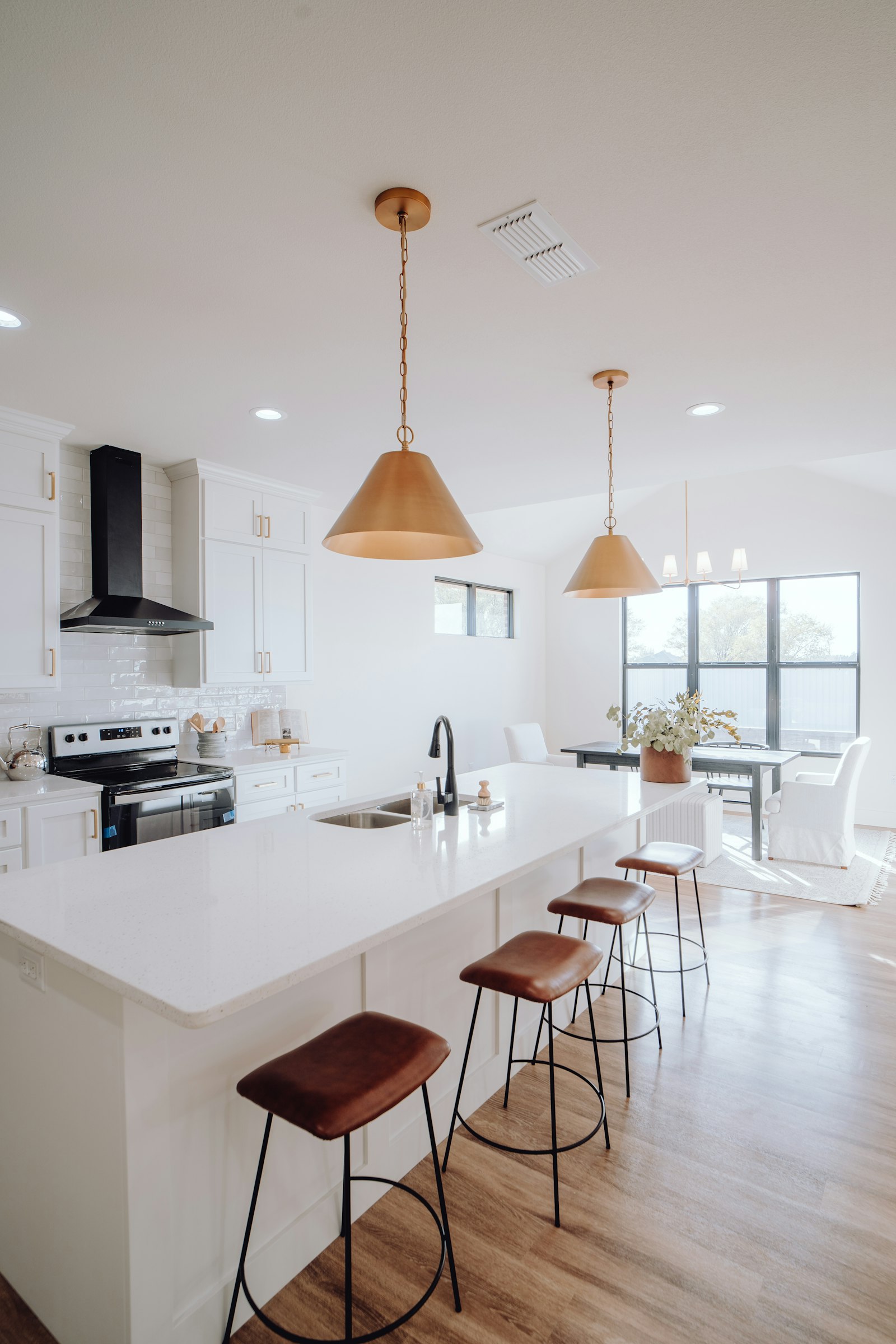
A kitchen renovation can dramatically improve the look and feel of your home without requiring a complete remodel.
Popular upgrades include:
Replacing cabinet doors or installing new cabinetry
Installing quartz or granite countertops
Upgrading to energy-efficient appliances
Modern tile backsplashes
New flooring
Updated lighting
Fresh paint
Modern sinks and faucets
Even smaller updates can make the space feel brighter, more functional, and more inviting.
Bathroom Renovations
Bathrooms are another area where thoughtful improvements can make a noticeable difference.
Homeowners often choose to:
Replace outdated vanities
Install new tile
Upgrade lighting
Replace old tubs with walk-in showers
Install water-efficient fixtures
Improve ventilation
Add additional storage
A well-designed bathroom should be comfortable, functional, and easy to maintain.
Flooring Upgrades
Replacing worn flooring is one of the fastest ways to transform a home's interior.
Popular options include:
Hardwood flooring
Luxury vinyl plank (LVP)
Engineered hardwood
Tile
Waterproof flooring for basements
Laminate flooring
New flooring instantly refreshes multiple rooms while improving durability and resale appeal.
Interior & Exterior Painting
Fresh paint remains one of the highest-impact renovations for the investment.
It helps:
Brighten interiors
Modernize outdated color schemes
Protect exterior surfaces
Increase curb appeal
Make rooms feel larger and cleaner
Choosing timeless, neutral colors also appeals to future buyers.
Exterior Improvements
Your home's exterior creates its first impression.
Popular exterior renovations include:
New siding
Entry door replacement
Garage door replacement
Window replacement
Porch improvements
Deck restoration
Roof replacement (when needed)
These projects improve both appearance and weather protection.
Most Popular Remodeling Projects

When cosmetic updates aren't enough, remodeling allows homeowners to reimagine how they use their space.
Some of today's most popular remodeling projects include:
Open-Concept Living Spaces
Many older homes feature separate kitchens, dining rooms, and living rooms.
Removing walls can create:
Better natural light
Improved entertaining space
Better family interaction
Greater flexibility
Open layouts continue to be one of the most requested remodeling projects.
Kitchen Remodeling
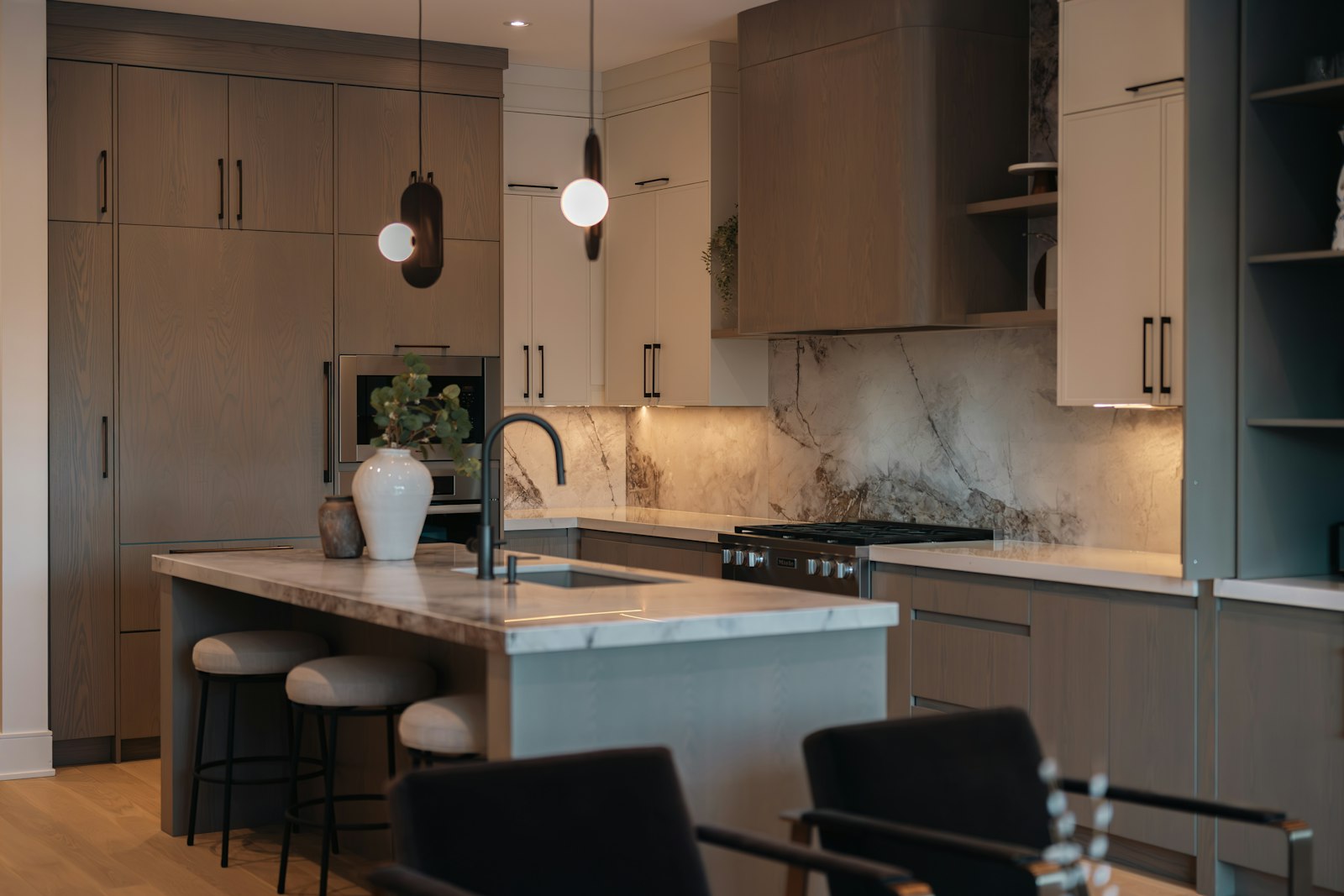
Unlike a renovation, kitchen remodeling often changes the room's layout.
Projects may include:
Moving plumbing
Relocating appliances
Expanding square footage
Installing large islands
Improving workflow
Opening walls into adjacent living areas
These changes make the kitchen more functional for modern living.
Bathroom Remodeling
Bathroom remodeling goes beyond replacing fixtures.
It may involve:
Enlarging the room
Reconfiguring plumbing
Adding walk-in showers
Creating luxury primary bathrooms
Improving accessibility for aging in place
Basement Remodeling
An unfinished basement represents valuable unused living space.
Popular basement projects include:
Family rooms
Home theaters
Guest suites
Home gyms
Offices
Children's playrooms
Rental units (where permitted)
A finished basement can significantly increase usable square footage without expanding the home's footprint.
Home Additions
Sometimes families simply need more space.
Home additions can include:
Bedrooms
Sunrooms
Second-story additions
Expanded kitchens
Family rooms
Garages
Although additions require a larger investment, they allow homeowners to remain in neighborhoods they already love.
How Much Does Home Renovation or Remodeling Cost?

One of the first questions homeowners ask is:
"How much will my project cost?"
The honest answer is that every home is different.
Costs depend on factors such as:
Home size
Scope of work
Materials selected
Structural changes
Permit requirements
Existing conditions
Labor costs
Project complexity
Rather than focusing on average national prices—which can vary significantly by region—we recommend requesting a detailed estimate based on your home's specific needs and goals.
Factors That Affect Your Budget
Your investment may increase if your project involves:
Electrical upgrades
Plumbing relocation
Foundation work
Structural modifications
Custom cabinetry
Premium finishes
Permit requirements
Unexpected repairs discovered during construction
One of the best ways to avoid financial surprises is to build a contingency fund into your budget.
Many remodeling professionals recommend setting aside 10% to 20% of your project budget for unforeseen conditions, particularly in older homes.
Which Home Improvements Offer the Best Return on Investment?

While every project adds value differently, some renovations consistently provide stronger returns than others.
According to the latest Remodeling Magazine Cost vs. Value Report, exterior improvements often deliver some of the highest returns on investment.
Projects that typically perform well include:
Garage door replacement
Steel entry door replacement
Manufactured stone veneer
Minor kitchen remodels
Deck additions
Window replacement
Siding replacement
It's important to remember that ROI isn't just about resale value.
Many homeowners choose remodeling because of the daily benefits it provides, including:
Improved comfort
Better functionality
Lower maintenance
Increased energy efficiency
Greater enjoyment of their home
Those benefits can be just as valuable as financial returns.
How to Plan a Successful Renovation or Remodeling Project

Successful projects rarely happen by accident.
Careful planning helps minimize delays, control costs, and create better outcomes.
1. Identify Your Goals
Start by asking:
What problems are we trying to solve?
Which rooms cause the most frustration?
What improvements will have the greatest impact?
Clear priorities make every other decision easier.
2. Establish a Realistic Budget
Know what you're comfortable investing before selecting finishes or requesting estimates.
Don't forget to include a contingency fund for unexpected discoveries.
3. Prioritize Projects
If your budget doesn't allow for everything at once, identify which improvements should happen first.
Address structural or safety issues before cosmetic upgrades whenever possible.
4. Choose the Right Contractor
Hiring an experienced contractor is one of the most important decisions you'll make.
Look for a company that offers:
Proven experience
Strong local reputation
Proper licensing and insurance
Transparent estimates
Clear communication
Quality craftsmanship
References from previous clients
The right contractor doesn't simply build your project—they help you avoid costly mistakes.
5. Understand Permits and Inspections
Many remodeling projects require permits.
These may include:
Structural changes
Electrical work
Plumbing modifications
Additions
Major renovations
Working with a qualified contractor helps ensure your project complies with local building codes and inspection requirements.
Common Home Remodeling Mistakes to Avoid

Even well-planned projects can encounter challenges.
Fortunately, many common mistakes are preventable.
Avoid these pitfalls:
Choosing the lowest bid without comparing quality
Hiring uninsured contractors
Skipping permits
Changing designs after construction begins
Underestimating your budget
Choosing trendy finishes without considering long-term appeal
Ignoring energy-efficient upgrades
Purchasing materials too late
Failing to communicate expectations
Careful planning almost always saves time, money, and frustration.
Should You Remodel or Move?

Many homeowners eventually face this difficult decision.
Moving offers the opportunity for a fresh start—but it also comes with significant costs and uncertainty.
Remodeling allows you to:
Stay in a neighborhood you love
Avoid moving expenses
Personalize your home
Improve functionality
Increase long-term enjoyment
Moving may still be the right choice if your current property can't realistically accommodate your future needs.
However, if your home's location is ideal and the structure has good potential, remodeling is often a smart long-term investment.
Frequently Asked Questions
What's the difference between renovation and remodeling?
Renovation updates existing spaces without significantly changing the layout, while remodeling changes the structure, floor plan, or functionality of your home.
Is remodeling more expensive than renovating?
Generally, yes. Remodeling often involves structural work, permits, plumbing, electrical changes, and more extensive construction.
Which rooms add the most value?
Kitchen and bathroom improvements consistently rank among the most valuable home improvement projects, along with certain exterior upgrades such as garage doors, entry doors, and siding.
How long does a whole-home remodel take?
Every project is unique. The timeline depends on the scope of work, permit approvals, material availability, and the complexity of the construction.
Can I stay in my home during remodeling?
It depends on the project. Smaller renovations often allow homeowners to remain in their homes, while extensive whole-home remodels may require temporary relocation for safety and convenience.
Should I renovate before selling my home?
Strategic updates can improve marketability and buyer appeal. Focus on projects that address outdated features, deferred maintenance, and first impressions rather than over-improving your home for the neighborhood.
How much should I budget for unexpected expenses?
Many professionals recommend setting aside 10% to 20% of your remodeling budget to cover unforeseen issues, especially in older homes where hidden problems may be discovered during construction.
Final Thoughts: Invest in a Home That Works for You
Every home reaches a point where it needs more than routine maintenance. Whether you're refreshing outdated finishes through a renovation or transforming your living space with a remodel, the right improvements can make your home more comfortable, functional, and enjoyable for years to come.
The key is to focus on projects that solve real problems—not just follow the latest design trends. By taking the time to evaluate your goals, plan your budget, and work with experienced professionals, you'll be better positioned to make decisions that add lasting value to your home and improve your daily life.
At Burrini and Sons Contracting, we believe every remodeling project should reflect the way you live today while preparing your home for tomorrow. For more than 45 years, we've helped homeowners throughout Morris County, NJ, transform outdated spaces into beautiful, practical homes built with quality craftsmanship and attention to detail.
Whether you're considering a kitchen renovation, bathroom remodel, basement finishing, or a whole-home transformation, our team is committed to delivering personalized solutions, honest communication, and exceptional results that stand the test of time.
If you're ready to take the next step, we're here to help you turn your vision into a home you'll love for years to come.
Comments