


15 Costly Home Remodeling Mistakes to Avoid Before You Start Renovating
There's something exciting about planning a home remodel. Maybe you're finally updating that outdated kitchen, transforming your basement into a functional living space, or giving your bathroom the modern look it's been missing. Whatever the project, remodeling is an investment—not just in your home, but in your family's comfort and future.
Unfortunately, excitement alone doesn't guarantee a successful renovation.
We've worked with homeowners who came to us after dealing with delayed projects, unexpected expenses, poor workmanship, or contractors who disappeared halfway through the job. In nearly every case, the problems could have been avoided with better planning and the right guidance.
Home remodeling is a major undertaking. Even seemingly simple projects can uncover hidden issues behind walls, require permit approvals, or involve decisions that affect your home's value for years to come.
That's why preparation matters just as much as construction.
Whether you're planning a kitchen remodel, finishing a basement, renovating a bathroom, or updating multiple areas of your home, understanding the most common remodeling mistakes can save you thousands of dollars—and countless headaches.
In this guide, we'll walk through the biggest mistakes homeowners make before and during a renovation, explain why they happen, and share practical ways to avoid them. Our goal is to help you approach your project with confidence so you can enjoy the results without unnecessary stress.
Why Home Remodeling Projects Go Wrong

Many homeowners assume remodeling projects fail because of bad luck.
In reality, most renovation problems begin long before the first wall comes down.
Successful remodeling requires dozens of decisions that all work together—from creating a realistic budget and choosing quality materials to hiring an experienced contractor and understanding local building requirements.
When even one of those pieces is overlooked, small issues can quickly snowball into expensive problems.
Some of the most common reasons remodeling projects go off track include:
Starting without a detailed plan
Underestimating the true cost of the project
Hiring contractors based solely on the lowest price
Making design changes during construction
Purchasing low-quality materials
Skipping permits or inspections
Poor communication throughout the project
The good news is that every one of these challenges can be avoided with thoughtful planning and experienced guidance.
At Burrini & Sons Contracting, we've seen firsthand how homeowners who take the time to prepare typically enjoy smoother projects, fewer surprises, and results they're proud to show off.
The 15 Biggest Home Remodeling Mistakes Homeowners Make

1. Starting Without a Clear Remodeling Plan
One of the biggest mistakes homeowners make is beginning a renovation before they fully understand what they want to accomplish.
It's easy to have a general vision—"I want a bigger kitchen" or "I'd like to finish the basement." But without detailed goals, every decision becomes harder once construction begins.
We've seen projects where homeowners changed cabinet layouts multiple times, added new features halfway through construction, or completely changed paint colors after materials had already been ordered.
Each change adds time, increases labor costs, and creates unnecessary stress.
Before any remodeling project begins, ask yourself:
What problems are we trying to solve?
Which features are absolute priorities?
What is our realistic budget?
How long can we comfortably live with construction?
Are we remodeling for ourselves or future resale?
Having clear answers helps keep the project focused from start to finish.
Expert Tip
Create a written "project wish list" before meeting with your contractor. Rank every feature as a must-have, nice-to-have, or future upgrade. This simple exercise makes budgeting much easier and helps avoid costly decisions later.
2. Underestimating the Total Cost of the Project
Almost every homeowner starts with a budget.
Far fewer plans for the unexpected.
Even well-maintained homes can hide problems behind walls, under flooring, or inside plumbing and electrical systems. Once demolition begins, contractors may discover water damage, aging wiring, structural issues, or outdated building materials that need attention before the remodel can continue.
These aren't mistakes—they're simply realities of renovating existing homes.
That's why experienced contractors recommend setting aside a contingency fund before construction begins.
The 20% Rule
A common recommendation is to reserve an additional 10% to 20% of your project budget for unexpected expenses.
Doing so helps prevent difficult financial decisions if hidden issues arise.
Instead of focusing only on visible finishes like countertops or flooring, remember to budget for:
Permit fees
Demolition
Structural repairs
Plumbing updates
Electrical improvements
Material delivery
Temporary accommodations if needed
Cleanup and disposal
A realistic budget creates flexibility and reduces stress throughout the project.
3. Choosing the Cheapest Contractor Instead of the Right One
Everyone wants to save money.
But choosing a contractor based solely on the lowest estimate often becomes one of the most expensive decisions a homeowner can make.
A significantly lower bid may indicate:
Inferior materials
Inexperienced labor
Missing permit costs
Limited insurance coverage
Unrealistic timelines
Hidden fees that appear later
Instead of comparing prices alone, compare what's actually included.
Ask potential contractors questions like:
Are you licensed and insured?
Can you provide recent references?
Who will supervise the project?
How do you handle unexpected changes?
What's included in the written estimate?
Do you offer workmanship warranties?
A trustworthy contractor values transparency. They explain their process, answer questions openly, and provide detailed documentation before work begins.
At Burrini & Sons Contracting, we believe homeowners deserve clear communication from day one. A well-planned project starts with honest expectations—not unrealistic promises.
4. Ignoring Permits and Local Building Codes
Permits might seem like unnecessary paperwork, but they're an essential part of protecting your investment.
Depending on the scope of your remodel, permits may be required for:
Structural modifications
Electrical work
Plumbing updates
Deck construction
Basement finishing
Additions
Major kitchen renovations
Skipping permits can create serious problems down the road.
If unpermitted work is discovered during a home inspection or real estate transaction, homeowners may be required to remove completed work, pay additional fees, or delay the sale of their property.
Permits also ensure work meets current building safety standards.
An experienced contractor understands local regulations and can help guide homeowners through the permitting process so everything stays compliant from start to finish.
5. Prioritizing Looks Over Functionality
Beautiful design matters.
But functionality should always come first.
It's easy to fall in love with stunning photos on social media or home improvement websites. However, what looks amazing in one home may not work well in another.
For example:
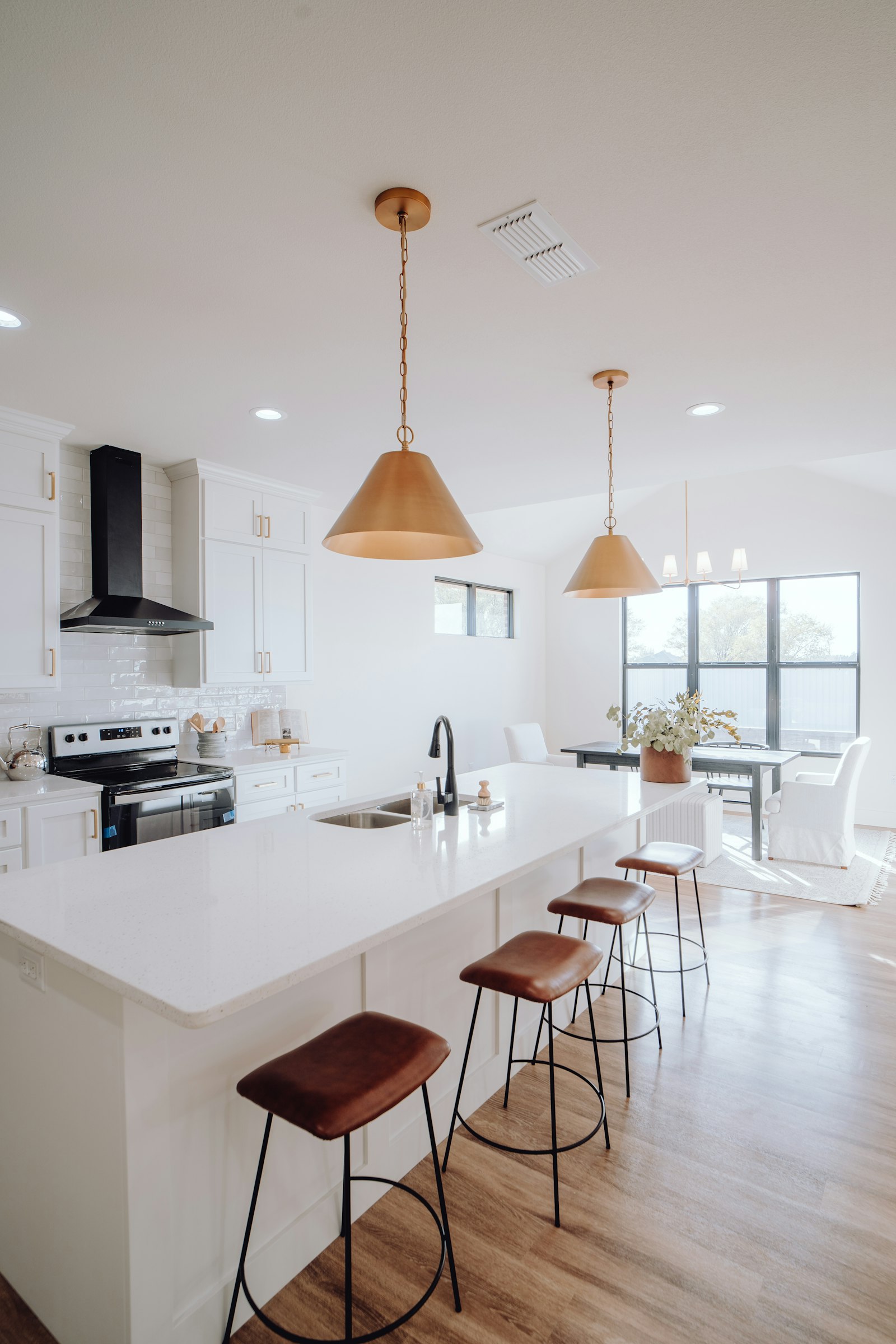
A large kitchen island may reduce walking space.
Open shelving can become difficult to maintain.
Minimalist bathrooms may lack essential storage.
Oversized fixtures can make smaller rooms feel crowded.
The best remodels balance aesthetics with everyday usability.
Before selecting finishes or layouts, think about how your family actually uses each space.
Ask questions like:
Is there enough storage?
Does traffic flow naturally?
Will lighting support everyday tasks?
Is the layout practical for entertaining?
Will this design still work five or ten years from now?
Design trends come and go.
Smart functionality never goes out of style.
Think About Daily Living
Every remodeling decision should improve how you live in your home—not just how it looks in photographs.
The most successful renovations create spaces that are comfortable, efficient, and enjoyable to use every single day.
6. Choosing Cheap Materials to Save Money
It's natural to look for ways to reduce remodeling costs. However, cutting corners on materials is one decision that often leads to higher expenses in the long run.
While budget-friendly materials can work well in some situations, extremely low-cost products may wear out faster, require frequent repairs, or need to be replaced much sooner than higher-quality alternatives.
We've seen homeowners replace inexpensive flooring after only a few years because it couldn't withstand daily wear. We've also encountered cabinets with failing hinges, countertops that stained easily, and paint that faded or peeled far earlier than expected.
The goal isn't to buy the most expensive products on the market—it's to choose materials that offer durability, performance, and long-term value.
Where Quality Matters Most
If your budget is limited, prioritize investing in the areas that experience the most daily use:
Cabinets
Flooring
Countertops
Plumbing fixtures
Windows and doors
Roofing materials (if applicable)
Hardware and hinges
These components tend to have the greatest impact on both functionality and longevity.
Expert Tip
Ask your contractor to recommend products they've installed repeatedly with positive long-term results. Real-world experience often provides better insight than online reviews alone.
7. Making Design Changes After Construction Begins
Changing your mind once demolition has started can quickly affect your budget and timeline.
It may seem like a small adjustment—moving a wall a few inches or choosing a different tile—but those changes often require additional labor, new materials, revised plans, or reordered products.
This is commonly referred to as scope creep, and it's one of the leading causes of project delays.
For example, changing cabinet layouts may also require updates to plumbing, electrical wiring, flooring, and countertop fabrication.
One design decision can trigger several others.
How to Avoid Costly Mid-Project Changes
Before construction begins:
Finalize your floor plan.
Select materials and finishes.
Approve paint colors.
Confirm fixture locations.
Review the project schedule.
Ask questions before work starts.
Taking the time to make decisions upfront helps your contractor maintain momentum and keeps the project moving efficiently.
8. Forgetting About Storage
One of the most common homeowner regrets after a remodel isn't choosing the wrong color—it's not adding enough storage.
During the design phase, many people focus on aesthetics while overlooking practical organization.
The result?
Beautiful spaces that quickly become cluttered.
Think beyond today's needs and consider how your family will use the space over the next several years.
Storage Ideas Worth Considering
Kitchen
Deep drawers
Pantry pull-outs
Corner cabinet organizers
Appliance garages
Bathroom
Linen storage
Recessed medicine cabinets
Built-in shelving
Vanity drawers
Laundry Room
Overhead cabinets
Folding counters
Utility closets
Living Areas
Built-in bookcases
Window benches with hidden storage
Entertainment cabinets
Small storage upgrades often provide some of the biggest improvements in everyday convenience.
9. Following Every Design Trend
Scrolling through social media can provide endless inspiration.
But not every trend is designed to last.
Certain colors, finishes, and layouts become extremely popular for a few years before quickly feeling outdated.
If you're remodeling primarily to increase your home's value, choosing timeless designs usually offers better long-term appeal.
That doesn't mean your home should feel boring.
Instead, use trends in areas that are easy to update later, such as:
Paint colors
Decorative lighting
Hardware
Artwork
Furniture
Accessories
For permanent features like flooring, cabinetry, countertops, and tile, classic choices generally provide better value over time.
Balance Style With Longevity
A successful remodel reflects your personality while remaining functional and appealing for years to come.
10. Over-Improving Beyond Your Neighborhood
Every neighborhood has a general range of home values.
Installing luxury finishes that far exceed nearby homes doesn't always increase resale value enough to justify the investment.
For example, adding a commercial-grade kitchen to a modest neighborhood may not deliver the return many homeowners expect.
Instead, focus on improvements that complement your home's market while enhancing everyday living.
Projects with broad appeal often provide stronger returns than overly customized luxury upgrades.
11. Not Preparing for Life During Construction
Many homeowners underestimate how disruptive remodeling can be.
Depending on the project, you may experience:
Dust throughout the house
Temporary loss of water or electricity
Loud construction noise
Limited kitchen access
Reduced bathroom availability
Restricted parking
Daily worker activity
Planning ahead can make the experience much more manageable.
Before Construction Starts
✔ Protect valuable belongings.
✔ Remove fragile decorations.
✔ Create temporary living areas if needed.
✔ Make arrangements for pets.
✔ Discuss work hours with your contractor.
✔ Inform family members about the construction schedule.
A little preparation goes a long way toward reducing stress during the renovation.
12. Overlooking the Importance of Lighting
Lighting is one of the most overlooked aspects of home remodeling.
Even a beautifully designed room can feel dark, cramped, or uninviting if it's poorly lit.
The best remodeling projects combine three types of lighting:
Ambient Lighting
Provides overall illumination.
Examples include ceiling fixtures, recessed lighting, and chandeliers.
Task Lighting
Supports activities like cooking, reading, or applying makeup.
Examples include under-cabinet lights and vanity lighting.
Accent Lighting
Highlights architectural details, artwork, or shelving.
A thoughtful lighting plan improves comfort, functionality, and the overall atmosphere of your home.
13. Ignoring Energy Efficiency
Today's remodeling projects aren't just about appearance—they're also about performance.
Energy-efficient upgrades can improve comfort while helping reduce monthly utility bills.
Popular improvements include:
Energy-efficient windows
Better insulation
Air sealing
Modern HVAC systems
LED lighting
Smart thermostats
Energy-efficient appliances
Many homeowners also appreciate the added resale value these upgrades can provide.
14. Not Planning for the Future
Your needs today may not be the same five or ten years from now.
A thoughtful remodel considers both your current lifestyle and future possibilities.
Questions to ask include:
Will our family grow?
Will aging parents move in?
Could we work from home more often?
Do we plan to stay in this house long-term?
Flexible design choices often provide greater value over time.
Examples include:
Wider doorways
Walk-in showers
Main-floor living spaces
Home office flexibility
Additional storage
Universal design features
Planning ahead reduces the need for costly renovations later.
15. Skipping the Final Walkthrough
As construction wraps up, it's tempting to assume everything is complete.
However, a final walkthrough is an essential step in every remodeling project.
This is your opportunity to carefully inspect the finished work with your contractor and identify any remaining items before the project is officially closed.
Your Final Checklist
Test doors and windows.
Check plumbing fixtures.
Verify electrical outlets and switches.
Inspect paint and trim.
Confirm cabinets operate smoothly.
Review flooring for damage.
Ensure all agreed-upon work has been completed.
Ask about warranties and maintenance.
A detailed walkthrough helps ensure you're completely satisfied with the finished project.
Home Remodeling Checklist Before Construction Begins

Before work starts, make sure you've completed these important steps:
✔ Define your remodeling goals.
✔ Establish a realistic budget.
✔ Reserve a contingency fund.
✔ Finalize your design.
✔ Choose durable materials.
✔ Hire a licensed and insured contractor.
✔ Understand permit requirements.
✔ Review the construction timeline.
✔ Prepare your home for renovation.
✔ Communicate expectations with everyone involved.
Keeping this checklist handy can help prevent many of the common remodeling mistakes we've discussed throughout this guide.
How to Choose the Right Remodeling Contractor

The contractor you hire can have a significant impact on your remodeling experience.
Rather than focusing solely on price, evaluate each contractor based on professionalism, communication, and experience.
Here's what we recommend looking for:
Proper licensing and insurance
Strong local reputation
Positive customer reviews
Portfolio of completed projects
Transparent estimates
Clear communication
Written contracts
Workmanship warranties
Experience with projects similar to yours
A trustworthy contractor should be willing to answer your questions, explain the remodeling process, and help you make informed decisions—not pressure you into quick commitments.
Which Home Improvements Add the Most Value?

While every home is different, certain remodeling projects consistently appeal to buyers and improve everyday living.
Some of the upgrades that often provide strong value include:
Energy-efficient improvements
Curb appeal enhancements
Rather than chasing trends, focus on improvements that make your home more functional, attractive, and durable.
Expert Tips to Keep Your Remodeling Project on Track

Over the years, we've found that successful remodeling projects often have one thing in common: preparation.
Here are a few practical tips to help your renovation go smoothly:
Make major decisions before construction begins.
Keep written records of changes and approvals.
Schedule regular progress updates with your contractor.
Order custom materials early to avoid delays.
Expect minor surprises during demolition.
Prioritize quality over short-term savings.
Stay flexible while keeping your long-term goals in mind.
Ask questions whenever something isn't clear.
These habits can make a noticeable difference in your remodeling experience.
Frequently Asked Questions
What is the biggest mistake homeowners make when remodeling?
Starting a project without a clear plan is one of the most common and costly mistakes. A detailed plan helps prevent budget overruns, delays, and unnecessary changes during construction.
How much extra money should I set aside for unexpected remodeling costs?
Many professionals recommend reserving 10% to 20% of your remodeling budget for unforeseen issues, such as hidden water damage, outdated wiring, or structural repairs.
Is it better to remodel one room at a time?
It depends on your budget, timeline, and goals. Remodeling multiple connected spaces at once can improve efficiency, while smaller projects may be easier to manage financially.
Do all remodeling projects require permits?
Not always. Cosmetic updates like painting or replacing flooring may not require permits, but structural, plumbing, electrical, and major renovation work often does.
Always check local requirements before beginning a project.
What remodeling projects typically add the most value?
Kitchen renovations, bathroom remodels, basement finishing, energy-efficient upgrades, and curb appeal improvements are often among the projects that provide the strongest return on investment.
How long does a typical remodeling project take?
Project timelines vary depending on size and complexity. Smaller renovations may take a few weeks, while larger remodeling projects can take several months, especially if permits or custom materials are involved.
Conclusion
A successful home remodel isn't about avoiding every challenge—it's about making informed decisions before those challenges become costly problems.
From setting a realistic budget and choosing quality materials to hiring an experienced contractor and planning for the unexpected, every decision plays a role in the outcome of your project. Taking the time to prepare can help you avoid delays, reduce stress, and create a home that's both beautiful and functional for years to come.
At Burrini & Sons Contracting, we've helped homeowners throughout Morris County transform their homes with thoughtful planning, quality craftsmanship, and honest communication. Whether you're considering a kitchen remodel, bathroom renovation, basement finishing, custom woodworking, interior painting, or another home improvement project, our team is committed to delivering results that stand the test of time.
If you're ready to start your next remodeling project, we're here to help you navigate the process with confidence—from the initial consultation to the final walkthrough. Together, we can turn your vision into a space you'll enjoy for years to come.

Comments