


The Ultimate Guide to Old Home Renovation for Homeowners

Walking into an old home feels different.
You notice it right away. The floors have character. The trim has detail you rarely see today. There’s a story behind every corner.
But along with that charm comes a quiet concern.
What’s behind the walls?Is the wiring safe?
How much will this really cost to fix?
That mix of excitement and uncertainty is exactly why old home renovation can feel overwhelming.
We see this all the time. Homeowners fall in love with the history of their home—but hesitate when it comes to making updates. The fear of hidden issues, unexpected costs, or hiring the wrong contractor can stop progress before it even starts.
And yet, doing nothing isn’t the answer either.
Because an older home, left untouched, slowly loses the comfort and safety you need today.
That’s where the right approach makes all the difference.
Old home renovation isn’t about stripping away character. It’s about preserving what makes the home special while upgrading what no longer works.
In this guide, we’ll walk you through exactly how to do that—step by step—so you can move forward with confidence and avoid the costly mistakes most homeowners make.
Restoration vs Renovation: What’s the Difference?
This is where many homeowners get confused.
They sound similar—but they lead to very different results.
Restoration: Bringing the Past Back to Life
Restoration focuses on preserving history.
That means:
Repairing original materials
Keeping period-accurate designs
Avoiding modern changes where possible
This approach works best for historic homes where authenticity matters most.
Renovation: Making the Home Work for Today
Renovation is about function.
You’re improving:
Kitchens
Bathrooms
Layouts
Systems like plumbing and electrical
All while still respecting the home’s original character.
This is the path most homeowners choose—because it balances charm with modern living.
At Burrini & Sons, we help homeowners decide which direction makes the most sense based on how they actually live in their home.
Why Old Home Renovation Is Worth It?
Renovating an older home isn’t just practical.
It’s personal.
You’re not just upgrading a structure—you’re continuing its story.
When done right, the payoff goes beyond looks.
You Keep the Character You Fell in Love With
Original woodwork, solid doors, unique layouts—these are things modern homes often lack. Renovation allows you to keep that charm while improving everything behind the scenes.
You Improve Safety and Comfort
Outdated wiring and aging plumbing aren’t just inconvenient—they can be dangerous.
Updating these systems gives you peace of mind and everyday comfort.
You Increase Long-Term Value
Homes that blend original character with modern upgrades tend to stand out in the market. Buyers trust what they can see—and what they can rely on.
You Make Daily Life Easier
Better layouts. More functional kitchens. Updated bathrooms.
These upgrades make your home work for you—not against you.
You Prevent Bigger Problems Later
Fixing issues early saves you from major repairs down the line.
It’s one of the smartest investments you can make as a homeowner.
The Real Challenges of Renovating an Old Home
Here’s the truth most blogs don’t fully explain:
Old homes come with surprises.
And not all of them are good ones.
Hidden Structural Issues
What looks fine on the surface can hide deeper problems.
Sagging floors
Weak framing
Foundation concerns
These often show up once work begins.
Outdated Systems
Older homes weren’t built for modern appliances and energy demands.
Upgrading electrical and plumbing is usually necessary—and sometimes urgent.
Health and Safety Risks
Materials like lead paint can still exist in older homes.
Handling these safely requires experience and proper planning.
Budget and Timeline Surprises
No matter how well you plan, unexpected issues can affect both cost and schedule.
That’s why flexibility is key.
Choosing the Wrong Contractor
This is one of the biggest risks.
Not every contractor understands older homes.
And mistakes here can cost you more than just money—they can damage the home’s character permanently.
At Burrini & Sons, we approach every project with transparency. We identify potential issues early and guide homeowners through decisions without guesswork.
How to Plan an Old Home Renovation (Step by Step)
A clear plan turns uncertainty into control.
Here’s how to approach it the right way.
Step 1: Start With a Full Inspection
Before design ideas or budgets, understand your home’s condition.
Focus on:
Structure
Electrical
Plumbing
Roofing
This sets the foundation for everything else.
Step 2: Prioritize What Matters Most
Start with essentials:
Structural repairs
Safety upgrades
System replacements
Then move to high-impact spaces like kitchens and bathrooms.
Finally, handle cosmetic upgrades.
Step 3: Build a Realistic Budget
Older homes require flexibility.
Always include a contingency fund.
Pro Tip: Costs can vary widely depending on the scope—especially for kitchens and detailed finishes.
Step 4: Understand Permits and Regulations
Some older homes fall under specific guidelines.
Handling permits early avoids delays later.
Step 5: Choose the Right Team
Experience matters.
Working with professionals who understand older homes makes a huge difference in results.
Step 6: Stay Flexible With Timelines
Delays happen.
Materials, permits, and hidden issues can all affect timing.
The key is planning ahead while staying adaptable.
Where to Focus First in an Old Home Renovation?
Not all upgrades are equal.
Some areas matter more than others.
Structural and Safety Work Comes First
A strong foundation supports everything else.
Never skip this step.
Upgrade Electrical and Plumbing Systems
Modern living requires modern systems.
Fixing these early prevents future headaches.
Preserve Original Features When Possible
This is what makes your home unique.
Restoring instead of replacing often adds more value.
Add Modern Comfort Thoughtfully
Better insulation. Improved airflow. Efficient systems.
These upgrades make a noticeable difference without changing the home’s character.
Design Ideas That Respect Your Home’s History
Design is where everything comes together.
The goal isn’t to modernize everything.
It’s to blend old and new seamlessly.
Choose Timeless Colors
Stick with tones that complement original materials.
Warm whites
Soft greens
Deep blues
These keep the home feeling cohesive.
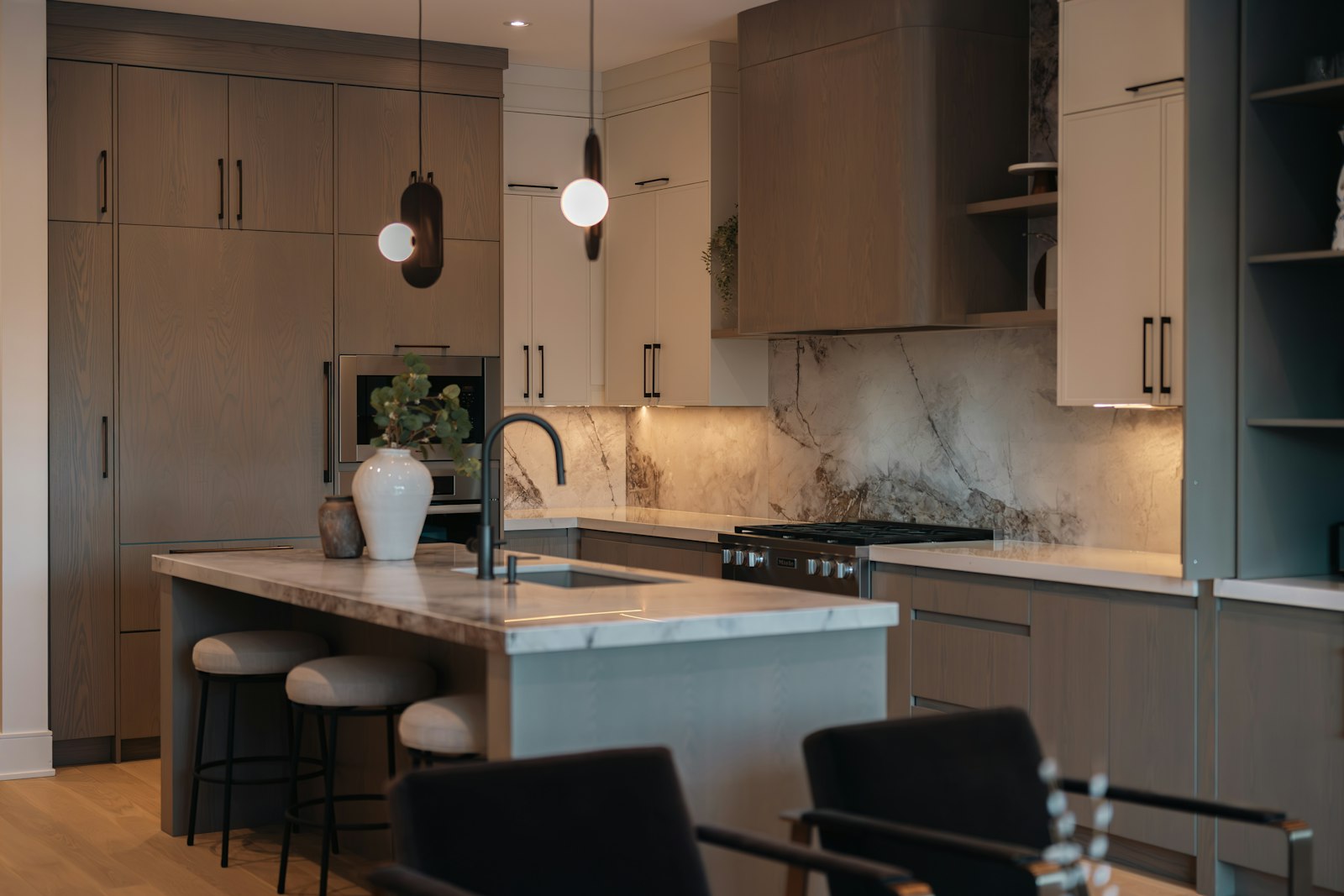
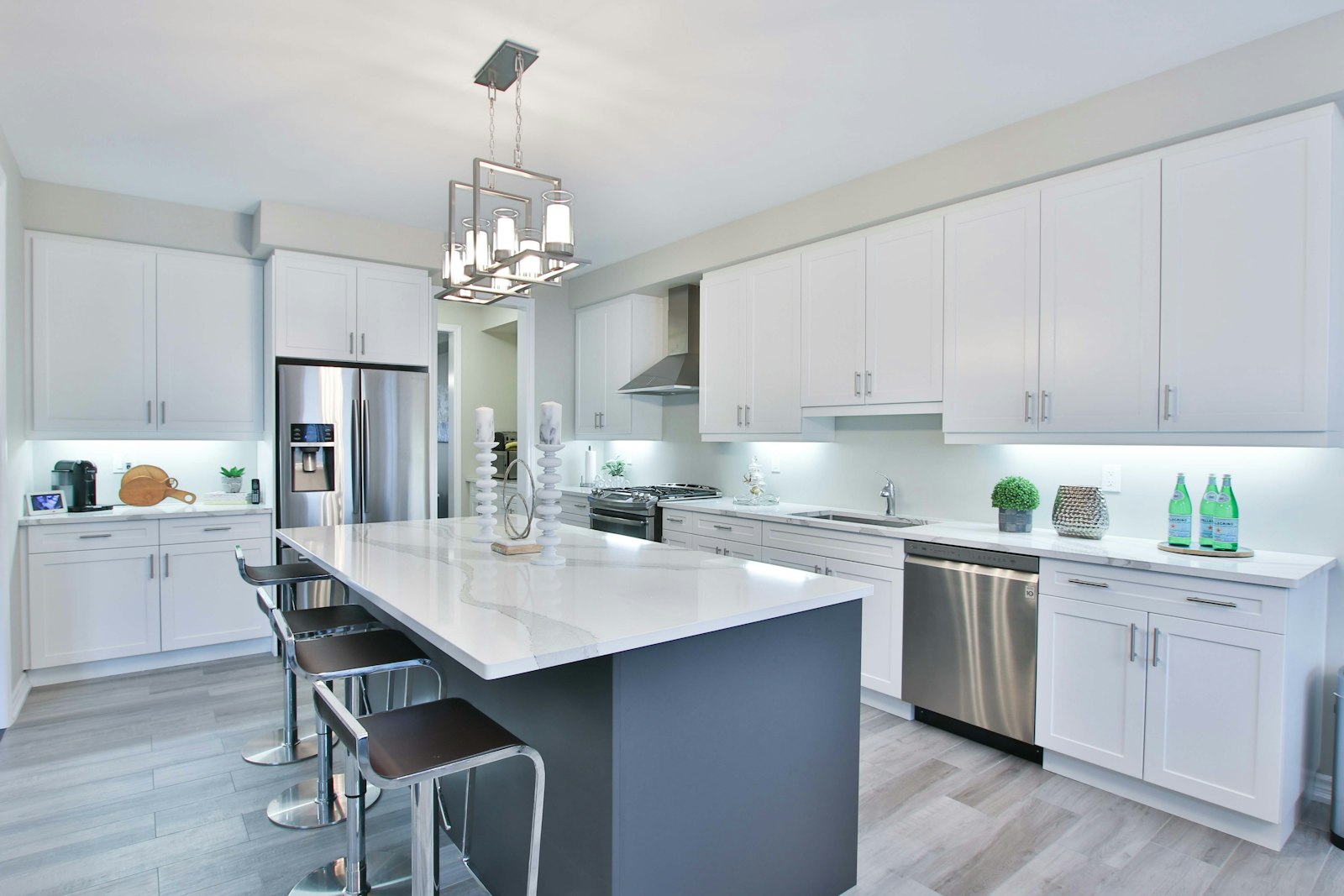
Upgrade Kitchens Carefully
Kitchens are often the biggest change.
Simple cabinet styles and classic finishes work best.
For smaller updates, temporary solutions like peel-and-stick backsplash can help improve appearance—but they’re best used as short-term fixes.
Keep Bathrooms Clean and Classic
Avoid overly trendy designs.
Focus on materials and finishes that will still look good years from now.
Respect the Original Layout
Older homes were designed with intention.
Small adjustments often work better than major changes.
Where Old Homes Meet the Right Craftsmanship?
At the end of the day, renovation is about more than fixing problems.
It’s about building something that lasts.
Old homes deserve careful attention. They require experience, patience, and an understanding of how to balance history with modern living.
At Burrini & Sons Contracting, that’s exactly what we bring to every project.
As a family-owned company with decades of experience, we’ve worked on countless older homes—helping homeowners protect their investment while preserving what makes their home unique.
We don’t believe in quick fixes.
We believe in doing the job right the first time.
If you’re considering an old home renovation, we’re here to guide you every step of the way—with honest advice, skilled craftsmanship, and results you can trust.
Comments