


Renovate or Move? The Complete Homeowner's Guide to Making the Right Decision in New Jersey
Buying a new home isn't the only way to improve your living space.
If your kitchen feels outdated, your family has outgrown the house, or your home no longer fits your lifestyle, you're probably asking one important question:
Should we renovate our current home or move somewhere new?
It's a decision many New Jersey homeowners are facing today. Between higher mortgage rates, limited housing inventory in desirable neighborhoods, and rising construction costs, neither option is as straightforward as it used to be.
We've worked with homeowners who were convinced they needed to move—until they realized a thoughtfully planned renovation could give them everything they wanted without leaving the neighborhood they love. We've also seen situations where moving was the more practical choice because the home's limitations couldn't realistically be solved through remodeling.
The truth is, there isn't a one-size-fits-all answer.
The right decision depends on your budget, your long-term plans, your home's condition, and what you hope to achieve.
In this guide, we'll walk you through the biggest factors to consider before making your decision. We'll compare the costs of renovating versus moving, discuss which projects offer the best return on investment, explore common mistakes homeowners make, and share practical insights to help you choose the option that makes the most financial and personal sense.
Whether you're thinking about remodeling your kitchen, finishing your basement, building an addition, or searching for your next home, this guide will help you move forward with confidence.
Why More Homeowners Are Choosing to Renovate Instead of Move

Over the past few years, we've noticed a growing trend among homeowners across New Jersey. Instead of putting their homes on the market, many are choosing to invest in renovations.
It's not difficult to understand why.
Moving comes with far more than the purchase price of a new home. There are real estate commissions, closing costs, moving expenses, inspections, potential repairs, higher property taxes in some cases, and, perhaps most importantly, today's higher mortgage rates compared to what many homeowners locked in just a few years ago.
For homeowners who purchased or refinanced during periods of historically low interest rates, moving may mean replacing an affordable mortgage with a significantly more expensive monthly payment. In many cases, renovating becomes the more cost-effective solution.
You Already Love Where You Live
A home has more than four walls.
It's your neighbors, your local coffee shop, your children's schools, your commute, and the memories you've built over the years.
If you genuinely enjoy your neighborhood, moving simply because your kitchen feels outdated or you need another bedroom may not be necessary.
Many remodeling projects can transform how your home functions without requiring you to leave the community you've come to love.
Renovations Let You Build the Home You Actually Want
One challenge many buyers face is compromise.
You might find a larger house, but it needs a new roof.
Or it has a beautiful kitchen but outdated bathrooms.
Maybe it's farther from work than you'd like.
When you renovate, you're not settling for someone else's design choices.
You're creating spaces that fit your family's needs, lifestyle, and personal taste.
Whether that's an open-concept kitchen, a spa-inspired bathroom, a finished basement, or a home office, remodeling allows you to customize your home instead of adapting to another person's vision.
Remodeling Can Increase Home Value
Not every renovation pays for itself, but many projects can significantly improve your home's market appeal while increasing your enjoyment of the space.
Kitchen remodels, bathroom renovations, energy-efficient upgrades, and exterior improvements are among the projects that often provide strong returns when completed with quality craftsmanship.
Just as importantly, these improvements can make your home more functional while you're living in it—not just when it's time to sell.
Today's Families Need Homes That Work Differently
Our homes have changed.
Many families now work remotely at least part of the week.
Children may need dedicated study areas.
Multi-generational households have become more common.
As lifestyles evolve, older floor plans don't always meet modern needs.
Instead of searching for another house, many homeowners are choosing to remodel their existing one by:
Expanding kitchens
Finishing basements
Adding home offices
Building in-law suites
Creating open living spaces
Improving accessibility for aging family members
These upgrades often solve the underlying problem without the disruption of moving.
Renovating Can Be Less Stressful Than Starting Over
Let's be honest.
Moving ranks among life's most stressful events.
Packing, selling your current home, buying another, coordinating inspections, dealing with financing, and adjusting to a new neighborhood can quickly become overwhelming.
While remodeling certainly has its own challenges, many homeowners prefer temporary construction over completely uprooting their lives.
When planned properly with an experienced contractor, a renovation can feel far more manageable than buying and moving into an entirely different home.
10 Questions to Ask Before Deciding

Before choosing between renovating and moving, it's worth taking a step back and evaluating your situation honestly.
These questions can help clarify which option better aligns with your goals.
1. Do We Love Our Neighborhood?
This is often the deciding factor.
If you enjoy your community, schools, commute, and nearby amenities, renovating may allow you to keep everything you already love while improving your home itself.
On the other hand, if your dissatisfaction stems from the location rather than the house, moving may be the better long-term solution.
2. Is Our Home Too Small—or Just Poorly Designed?
Sometimes a home doesn't actually need more square footage.
It simply needs a better layout.
We've seen homes transformed by removing unnecessary walls, reconfiguring kitchens, or finishing unused basements.
Before assuming you need a larger home, ask whether your existing space could simply work better.
3. Can Our House Be Expanded?
Many homes have untapped potential.
Depending on local zoning regulations and your property's layout, you may be able to add:
A second story
A family room
A primary suite
A sunroom
A garage addition
A finished attic
A consultation with an experienced remodeling contractor can help determine what's possible.
4. What Does Our Budget Actually Allow?
The budget should include far more than construction costs.
If you're moving, remember to account for:
Realtor commissions
Closing costs
Down payment
Moving company fees
Utility transfers
Home inspections
Immediate repairs
New furnishings
Likewise, if you're renovating, build in a contingency fund for unexpected issues that may arise once work begins.
Looking at the complete financial picture often changes the decision.
5. How Long Do We Plan to Stay?
Your timeline matters.
If you expect to remain in your home for another ten years or longer, investing in renovations often provides greater enjoyment while spreading the cost over many years.
If you anticipate relocating within the next couple of years, a move may make more financial sense than a large-scale remodel.
6. Is Our Mortgage Better Than Today's Rates?
Many homeowners currently have mortgage rates that are significantly lower than today's market rates.
Replacing a low-interest mortgage with a new loan could substantially increase monthly housing costs—even if the new home isn't dramatically more expensive.
7. Are Our Problems Cosmetic or Structural?
Outdated cabinets, worn flooring, old bathrooms, and cramped kitchens are usually fixable.
However, major structural issues, severe foundation problems, flood risks, or significant location challenges may justify moving instead.
Understanding the true condition of your home is an important first step before making any major investment.
8. Will Our Family's Needs Change?
Think beyond today.
Will you need another bedroom?
Will elderly parents eventually move in?
Are your children leaving for college soon?
Planning ahead helps ensure today's decision still makes sense several years from now.
9. Would Remodeling Improve Our Daily Life?
This question often gets overlooked.
Financial considerations matter, but so does quality of life.
Imagine waking up in a kitchen you truly enjoy.
Picture having enough storage.
Think about finally having a dedicated home office or a finished basement where the kids can play.
Sometimes the value of remodeling isn't just measured in dollars—it's measured in how much more enjoyable your home becomes every day.
10. Are We Solving the Right Problem?
This may be the most important question of all.
If the issue is simply outdated finishes, remodeling could solve it beautifully.
If the issue is traffic, schools, commute, neighborhood safety, or lack of available land, moving may ultimately provide the better answer.
Being honest about what's driving your dissatisfaction helps prevent expensive mistakes.
Renovating vs. Moving: A Side-by-Side Comparison
One of the easiest ways to evaluate your options is to compare them across the factors that matter most. While every homeowner's situation is unique, this overview highlights the typical advantages and trade-offs of each choice.
Factor | Renovating | Moving |
Upfront Costs | Focused on the renovation project | Includes down payment, closing costs, moving expenses, and other fees |
Monthly Housing Costs | May stay similar if no refinancing is needed | Could increase significantly with a new mortgage |
Customization | High—you design the space to fit your needs | Limited to the features of available homes unless you remodel after buying |
Timeline | Weeks to several months, depending on the project | Varies based on selling, buying, financing, and relocating |
Stress Level | Temporary construction and project management | Selling, buying, packing, moving, and adjusting to a new area |
Neighborhood | Stay in the community you already know | Opportunity to move closer to work, schools, or family |
Home Equity | Improvements can increase property value | Build equity in a new property over time |
Long-Term Flexibility | Tailor the home to your future needs | May require compromises based on available inventory |
Ultimately, the best choice depends on what matters most to you. If you love your location and your home has the potential to meet your future needs, renovating is often a practical and rewarding investment. If your challenges go beyond the house itself—such as the neighborhood, commute, or property limitations—moving may provide a better long-term solution.
When Renovating Is the Better Choice

For many homeowners, remodeling isn't just a way to update a house—it's an opportunity to create a home that better supports their lifestyle. If you enjoy where you live and your home has good bones, renovating can often deliver better long-term value than starting over somewhere else.
Here are some situations where remodeling is typically the smarter investment.
You Love Your Neighborhood
Finding the perfect house is difficult.
Finding the perfect neighborhood can be even harder.
If you're close to family, enjoy your neighbors, appreciate the local schools, and have an easy commute, leaving all of that behind may not be worth it just because your home needs updating.
We've worked with many homeowners who realized they didn't actually want a different house—they wanted a better version of the one they already had.
Your Home Needs Better Functionality, Not More Land
Sometimes, the issue isn't that your house is too small. It's that the existing layout doesn't make the best use of the available space.
Strategic remodeling projects can dramatically improve functionality, including:
Opening up a closed-off kitchen
Combining underused rooms into larger living spaces
Finishing an unfinished basement
Converting an attic into usable living space
Adding built-in storage solutions
Creating a dedicated home office
Expanding a primary bedroom or bathroom
In many cases, thoughtful design can make your home feel significantly larger without increasing its footprint.
You Want to Increase Your Home's Value
Well-planned renovations can enhance both your day-to-day enjoyment and your home's resale value.
While no project guarantees a full return on investment, improvements such as kitchen remodeling, bathroom renovations, entry door replacements, garage door upgrades, and exterior improvements consistently rank among the projects that appeal to buyers.
The key is choosing renovations that balance personal enjoyment with market demand.
You Have a Low Mortgage Rate
This has become one of the biggest reasons homeowners decide to stay put.
If you secured your mortgage when interest rates were historically low, replacing it with today's rates could substantially increase your monthly payment—even if your new home costs about the same.
For many families, investing in improvements while keeping an affordable mortgage makes better financial sense than entering today's housing market.
You Plan to Stay for Several Years
The longer you remain in your home, the more time you have to enjoy the benefits of your renovation.
A remodeled kitchen isn't just an investment in resale value. It's a space you'll cook in, gather in, and make memories in for years to come.
The same applies to a finished basement, updated bathroom, or home addition. These improvements enhance your daily life while spreading the investment over many years of use.
Popular Remodeling Projects That Solve Common Problems

Many homeowners assume they need a larger home when, in reality, they need a smarter layout or updated features.
Here are some of the most impactful remodeling projects.
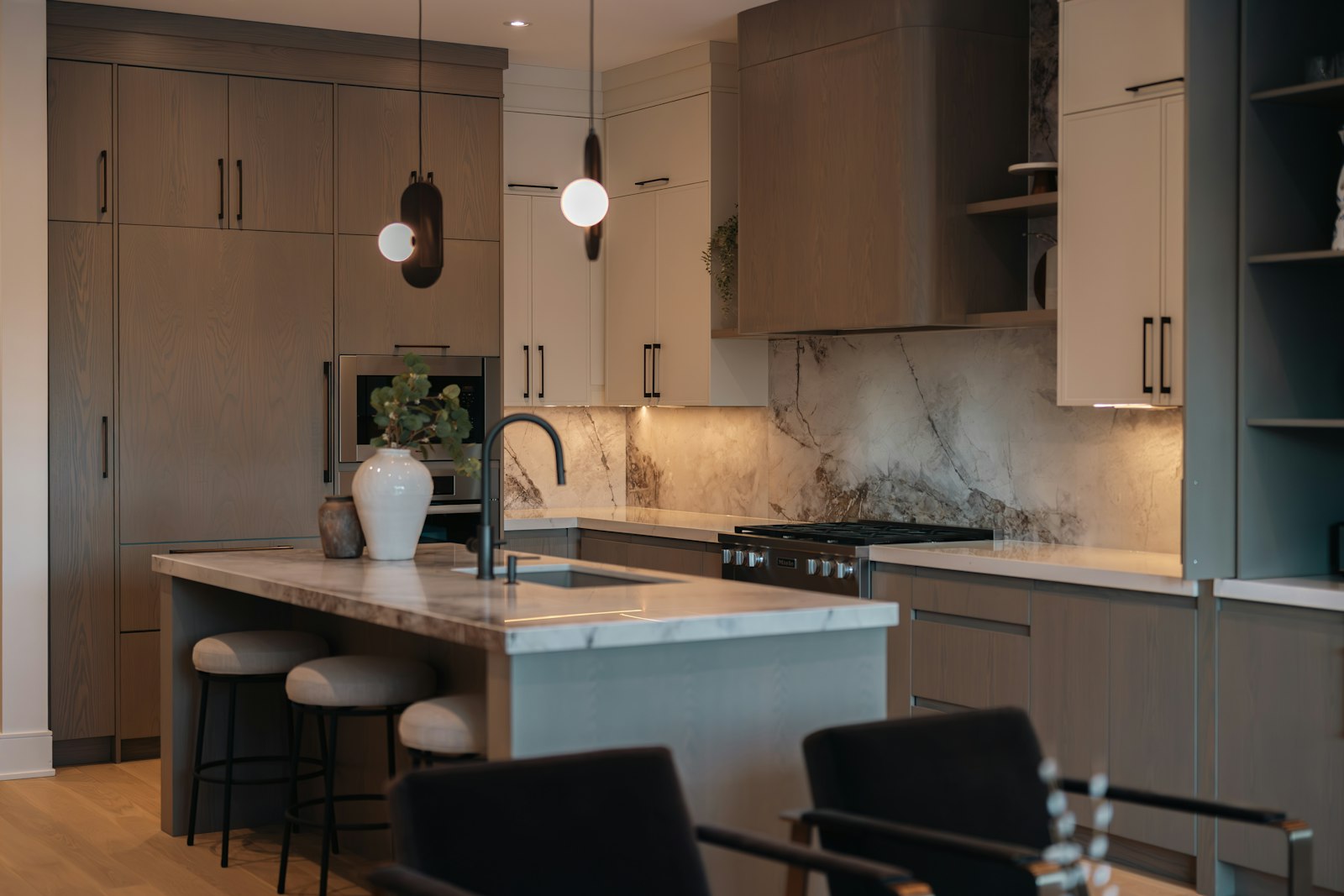
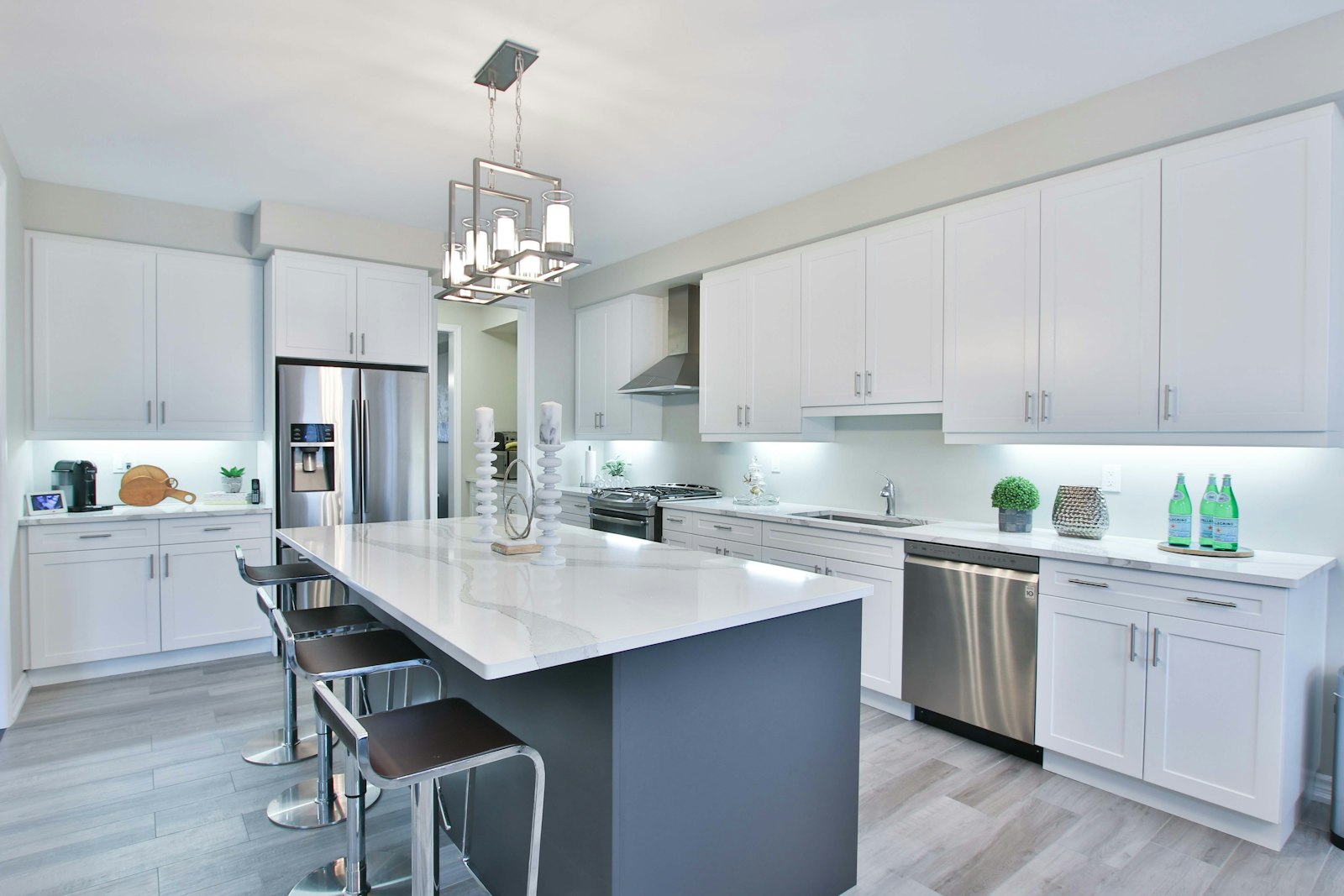
The kitchen often serves as the heart of the home.
Modern kitchen renovations can improve:
Storage
Workflow
Seating
Lighting
Energy efficiency
Entertaining space
An updated kitchen can completely change how your family uses the home.
Bathrooms should be both functional and comfortable.
Upgrades may include:
Walk-in showers
Double vanities
Improved storage
Modern fixtures
Better lighting
Accessibility improvements
Even smaller bathroom renovations can significantly improve everyday convenience.
Many New Jersey homes have unfinished basements that represent valuable unused square footage.
A finished basement can become:
A family room
A home gym
A guest suite
A playroom
A media room
A home office
This is often one of the most cost-effective ways to expand living space without building an addition.
If your family truly needs more room, an addition may eliminate the need to move altogether.
Common additions include:
Primary suites
Family rooms
Sunrooms
Second-story additions
In-law suites
Adding square footage allows your home to grow alongside your family's changing needs.
When Moving Makes More Sense

Although we're passionate about remodeling, we also believe homeowners deserve honest guidance.
Sometimes, moving is the better solution.
If your current home or location no longer supports your lifestyle—and renovations can't realistically solve the problem—it may be time to explore other options.
You've Outgrown the Property Itself
Even the best remodeling plans have limitations.
If your lot cannot accommodate an addition, zoning restrictions prevent expansion, or your home's layout makes major changes impractical, moving may provide the flexibility you're looking for.
The Neighborhood No Longer Fits Your Needs
A beautiful home can't change its location.
If your priorities have changed because of:
Schools
Commute
Safety
Access to healthcare
Family proximity
Lifestyle preferences
moving may improve your overall quality of life more than any renovation could.
Major Structural Problems Exist
Not every house is worth renovating.
Extensive foundation damage, chronic flooding, severe structural deterioration, or repeated water intrusion may require repairs so costly that purchasing another home becomes the more practical investment.
A thorough inspection can help determine whether remodeling is financially realistic.
Your Family Needs a Completely Different Home
Life changes.
Perhaps you're welcoming another child.
Maybe elderly parents are moving in.
Or perhaps your children have moved out, and maintaining a large house no longer makes sense.
When your housing needs change dramatically, moving may provide a better long-term fit.
Renovation vs. Moving: Which Costs More?
One of the biggest misconceptions homeowners have is focusing only on the price of a remodeling project.
In reality, moving comes with many expenses that aren't immediately obvious.
Looking at the complete financial picture often changes the conversation.
Typical Renovation Costs
Every project is unique, but these are some common investments homeowners consider:
Project | Typical Investment* |
Kitchen Remodel | Moderate to high, depending on scope |
Bathroom Remodel | Moderate |
Basement Finishing | Moderate |
Home Addition | Higher investment due to added square footage |
Whole-Home Remodeling | Significant investment based on project complexity |
Remember that quality workmanship, durable materials, and proper planning often provide better long-term value than choosing the lowest-priced option.
Hidden Costs of Moving
Buying another home involves much more than the listing price.
Many homeowners underestimate expenses such as:
Realtor commissions
Closing costs
Loan origination fees
Home inspections
Appraisals
Moving company services
Temporary storage
Utility connection fees
New furniture
Immediate repairs after purchase
Painting and cosmetic updates
Landscaping
Property tax adjustments
When added together, these costs can easily reach tens of thousands of dollars before you've even unpacked your first box.
Don't Forget the Cost of a Higher Mortgage
For homeowners with existing low-interest mortgages, this may be the single biggest financial factor.
Even if you purchase a similarly priced home, today's interest rates may result in substantially higher monthly payments over the life of the loan.
That's why it's important to compare the total long-term cost—not just the purchase price.
Hidden Renovation Costs Many Homeowners Overlook

A successful remodeling project requires careful planning.
While experienced contractors help minimize surprises, homeowners should still budget for potential unexpected expenses.
These may include:
Permit Fees
Depending on the project, permits and inspections may be required to ensure work complies with local building codes.
Temporary Living Arrangements
Large-scale renovations involving kitchens or multiple bathrooms may require temporary accommodations during certain phases of construction.
Unexpected Structural Discoveries
Once walls or flooring are opened, contractors occasionally uncover issues such as:
Water damage
Mold
Outdated electrical systems
Plumbing problems
Framing repairs
Building a contingency fund into your budget helps reduce stress if unexpected repairs arise.
Material Price Fluctuations
Construction material prices can change over time.
Planning early, ordering materials promptly, and working with experienced contractors can help reduce the impact of pricing changes.
Design Changes During Construction
One of the easiest ways to increase costs is changing your mind after work begins.
Finalizing your design before construction starts helps keep the project on schedule and within budget.
Which Remodeling Projects Deliver the Best Return on Investment?
While financial return shouldn't be the only factor in your decision, it's helpful to understand which improvements buyers consistently value.
Projects that often provide strong returns include:
Remodeling Project | Why Homeowners Choose It |
Kitchen Remodeling | Improves functionality and buyer appeal |
Bathroom Remodeling | Enhances comfort and modernizes the home |
Garage Door Replacement | Boosts curb appeal |
Entry Door Replacement | Improves first impressions and energy efficiency |
Manufactured Stone Veneer | Adds visual appeal to the exterior |
Exterior Improvements | Increase perceived value and curb appeal |
Energy-Efficient Windows | Improve comfort and reduce energy costs |
Finished Basement | Adds functional living space |
It's also worth remembering that the best renovation isn't always the one with the highest resale value.
Sometimes the greatest return comes from enjoying your home more every single day.
A beautifully designed kitchen where your family gathers every evening or a finished basement that finally gives everyone room to spread out may deliver benefits that can't be measured solely in dollars.
Can Your Current Home Be Modified Instead of Moving?

One of the biggest misconceptions we hear from homeowners is, "We simply don't have enough houses anymore."
After walking through their property, we often discover they have more potential than they realized.
Many homes can be reconfigured or expanded in ways that dramatically improve functionality without requiring a move. Before listing your home, it's worth exploring whether remodeling can solve your biggest challenges.
Here are a few possibilities.
Build Up Instead of Out
If your lot has limited space but your home's structure allows it, a second-story addition can provide the extra square footage your family needs.
This type of renovation is often ideal for growing families who want additional bedrooms, bathrooms, or a private primary suite while staying in the neighborhood they love.
Finish Unused Spaces
Many homes have areas that aren't being used to their full potential.
These spaces can often be transformed into valuable living areas, including:
Finished basements
Attic conversions
Bonus rooms
Garage conversions (where permitted)
Instead of adding square footage, you're making better use of the space you already own.
Reconfigure the Existing Floor Plan
Sometimes the problem isn't the size of your home—it's the layout.
Removing non-load-bearing walls, expanding the kitchen, improving traffic flow, or adding built-in storage can make your home feel larger without increasing its footprint.
Open-concept designs remain popular because they improve natural light, create better sightlines, and make everyday living more enjoyable.
Add Outdoor Living Space
If your home feels cramped during family gatherings or entertaining, expanding your usable living area outdoors may be part of the solution.
Decks, patios, covered outdoor spaces, and outdoor kitchens create additional room for relaxing and entertaining while enhancing your property's overall appeal.
What to Expect During a Home Renovation

Knowing what the remodeling process looks like helps reduce stress and sets realistic expectations.
While every project is different, most renovations follow a similar timeline.
1. Initial Consultation
The process begins with discussing your goals, budget, timeline, and ideas.
An experienced contractor will evaluate your home and recommend practical solutions based on your needs.
2. Design and Planning
Once the project scope is defined, plans are developed, materials are selected, and the overall design is finalized.
Taking time during this stage helps prevent costly changes later.
3. Permits and Approvals
Many remodeling projects require permits to ensure the work complies with local building codes.
An experienced contractor can guide homeowners through this process and help keep the project moving smoothly.
4. Construction Begins
This is where your vision starts becoming reality.
Depending on the scope of work, construction may involve:
Demolition
Structural framing
Electrical updates
Plumbing work
HVAC modifications
Drywall installation
Flooring
Cabinet installation
Painting
Finish work
Maintaining clear communication throughout this phase helps ensure expectations stay aligned.
5. Final Walkthrough
Before the project is considered complete, a final walkthrough allows you to review the finished work, ask questions, and confirm that everything meets the agreed-upon scope.
Common Mistakes Homeowners Make
Whether you decide to renovate or move, avoiding these common mistakes can save time, money, and frustration.
Choosing Price Over Quality
It's tempting to choose the lowest estimate.
However, significantly lower bids sometimes mean lower-quality materials, inexperienced labor, or incomplete project scopes.
Instead of focusing solely on price, consider experience, communication, reputation, and craftsmanship.
Underestimating the Budget
Every remodeling project should include a contingency fund for unexpected discoveries behind walls or beneath flooring.
Planning for surprises helps prevent unnecessary stress if they arise.
Following Trends Instead of Lifestyle
Design trends come and go.
Your home should work for the way your family actually lives.
Focus on improvements that solve everyday problems rather than chasing short-lived design fads.
Forgetting About Long-Term Needs
Ask yourself:
Will this layout still work in five years?
Could our family grow?
Will aging parents eventually need accessible living space?
Are we planning for resale as well as personal enjoyment?
Thinking ahead often leads to smarter remodeling decisions.
Hiring Without Doing Research
Before hiring any remodeling contractor, take time to:
Read customer reviews
Verify licensing and insurance
Ask for references
Review previous projects
Understand the contract
Discuss timelines and communication expectations
A little research upfront can make a significant difference in your overall experience.
Renovate or Move? A Simple Decision Checklist

Still unsure which path is right for you?
Use this checklist as a starting point.
Renovating May Be the Better Choice If You:
✔ Love your neighborhood
✔ Have a low mortgage rate
✔ Need better functionality rather than a completely different location
✔ Plan to stay in your home for several years
✔ Have enough equity to support improvements
✔ Want to personalize your living space
✔ Can solve your home's limitations through remodeling
Moving May Be the Better Choice If You:
✔ Need to relocate for work
✔ Want a different school district
✔ Have outgrown the property itself
✔ Face significant structural issues
✔ Need a completely different lifestyle or location
✔ Can't realistically achieve your goals through remodeling
The more checkmarks you have in one column, the clearer your decision may become.
Real-Life Examples

Every homeowner's situation is different, but these examples illustrate how the decision often plays out.
Scenario 1: "Our Kitchen Feels Too Small."
Best option: Renovate
If the rest of your home meets your needs, opening walls, improving storage, and redesigning the layout can completely transform how the space functions.
Scenario 2: "We Need Another Bedroom."
Best option: It depends.
If your home has room for an addition, basement conversion, or attic renovation, remodeling may solve the problem.
If the property can't expand, moving could be more practical.
Scenario 3: "We Don't Like Our Neighborhood."
Best option: Move
Even the most beautiful renovation can't change your commute, nearby amenities, or school district.
Scenario 4: "We Locked in a Very Low Mortgage Rate."
Best option: Consider remodeling first.
Keeping an affordable mortgage while improving your existing home may be significantly more economical than financing a new purchase at current interest rates.
Scenario 5: "We Need Space to Work From Home."
Best option: Renovate
Many homeowners have successfully created productive home offices by finishing basements, converting spare rooms, or redesigning underused areas.
Why Choosing the Right Remodeling Contractor Matters

Even the best remodeling plans depend on the team bringing them to life.
A trusted contractor does more than complete construction—they help guide you through one of the biggest investments you'll make in your home.
An experienced remodeling company can help you:
Evaluate whether remodeling or moving makes more sense.
Develop a realistic project budget.
Create a design that supports your lifestyle.
Navigate permits and inspections.
Recommend durable materials.
Keep communication clear throughout the project.
Deliver quality craftsmanship that stands the test of time.
The right partnership can make the remodeling experience smoother, more predictable, and far more rewarding.
Why Homeowners Across Morris County Trust Burrini & Sons Contracting

If you've decided that renovating is the right path, choosing a contractor with proven experience is just as important as choosing the right project.
At Burrini & Sons Contracting, we've spent more than 45 years helping homeowners throughout Morris County transform houses into homes that better fit their lives.
As a family-owned company, we understand that every remodeling project is personal.
Whether you're updating a single room or planning a larger renovation, our goal is to provide honest recommendations, quality craftsmanship, and clear communication from start to finish.
Our remodeling services include:
Kitchen remodeling
Bathroom remodeling
Basement remodeling
Custom woodworking
Home improvements
Interior and exterior renovations
Deck restoration
Painting and finishing services
We believe successful remodeling starts with listening. By understanding your goals, budget, and long-term plans, we can recommend solutions that enhance both your home's functionality and lasting value.
Final Thoughts: Should You Renovate or Move?
Deciding whether to renovate or move is rarely simple.
Both options involve financial commitments, careful planning, and long-term implications. The right choice depends on your home's condition, your family's goals, your budget, and how well your current location supports the lifestyle you want.
If you love your neighborhood, have a favorable mortgage, and believe your home's challenges can be solved through thoughtful remodeling, investing in renovations may provide the best balance of comfort, functionality, and long-term value.
On the other hand, if your home's limitations extend beyond what remodeling can realistically address—such as location, property constraints, or significant structural concerns—moving may be the better investment for your future.
Before making a decision, take time to evaluate both the financial and lifestyle impacts of each option. Looking beyond the initial price tag and considering your long-term goals will help you make a choice you can feel confident about for years to come.
If you're leaning toward remodeling, is here to help. With over four decades of experience serving homeowners throughout Morris County, our team is committed to delivering high-quality craftsmanship, thoughtful design solutions, and a remodeling experience built on trust, transparency, and attention to detail. Whether you're planning a kitchen renovation, bathroom remodel, basement transformation, or a larger home improvement project, we're ready to help you create a home that works better for the way you live.
Frequently Asked Questions
Is it usually cheaper to renovate or move?
It depends on the scope of the renovation, the value of your current home, local housing prices, and today's mortgage rates. For many homeowners who already have a low-interest mortgage and enjoy their neighborhood, remodeling can be more cost-effective than purchasing another home.
What home improvements add the most value?
Projects such as kitchen remodeling, bathroom renovations, garage door replacement, entry door upgrades, manufactured stone veneer, and energy-efficient improvements are often among the highest-value home upgrades. However, the best investment also depends on your local real estate market and the quality of the work performed.
How long does a typical home renovation take?
The timeline varies depending on the project's size and complexity. Smaller renovations may take several weeks, while larger additions or whole-home remodels can take several months. Planning, permitting, material availability, and inspections all influence the overall schedule.
Can I live in my home during a renovation?
In many cases, yes. Smaller projects often allow homeowners to remain in the house while work is underway. Larger renovations involving kitchens, multiple bathrooms, or extensive structural work may require temporary adjustments or short-term accommodations.
How do I know if my home can be expanded?
A qualified remodeling contractor can evaluate your home's structure, lot size, zoning requirements, and local building regulations to determine what types of additions or modifications are feasible.
Should I renovate before selling my home?
It depends on your goals and the condition of your property. Some improvements can make your home more appealing to buyers and potentially increase its value, while others may not provide a strong return. A local remodeling professional or real estate expert can help you prioritize projects that align with your market.

Comments