


How to Renovate a Historic House in Chester, NJ Without Treating It Like a Blank Box

Chester does not look like a township that grew up yesterday. Main Street still reads as a 19th-century village. Out in Chester Township you find farmhouses, stonework, and colonials that were standing when Route 206 was a wagon road.
That character is why people buy here. It is also why a renovation that would be simple in a 1990s Randolph colonial can go sideways if you treat an old Chester house like a blank box.
Burrini’s and Sons works throughout Morris County from our Randolph shop, including Chester Borough and Chester Township. After decades in these houses, the pattern is consistent: they reward patience, and they punish shortcuts you cannot see until the plaster comes off.
This guide is for owners who want a kitchen that works, a bath that is not a fiberglass afterthought, and an addition that still lets the old house read as the main building.
1. Confirm which town — and which rules — apply before you sketch the kitchen
Chester Borough and Chester Township are not the same municipality. Not every old house is officially “historic.” Guessing is expensive.
In Chester Borough, review can apply before major exterior work if the property is:
in a historic district, site, or zone
on the Borough’s Historic Sites Survey (the 1986/87 Morris County Cultural Resources Survey)
listed on the State or National Register — or deemed eligible
otherwise pulled in under the Borough’s historic preservation ordinance
Reviewers are pointed toward the Secretary of the Interior’s Standards for Rehabilitation. In plain language: repairs should respect the building’s style, and additions should support that style rather than fight it.
The Borough’s own language is that alterations should be made “in the spirit of the architectural style,” and additions should “not detract, but rather support, the building’s original style.”
A narrow exception exists for minor like-kind exterior repairs under $5,000 — exact-match materials and color. Window, roof, porch, and trim work above that threshold often needs a minor historic application. Confirm the current ordinance with the
Borough before you order vinyl windows because they were on sale.
In Chester Township, you may not be in a formal historic district. Rural character, setbacks, and design expectations still matter. A new wing that looks like a catalog great-room slapped onto an 1840s farmhouse will look like a catalog great-room slapped onto an 1840s farmhouse.
If you are unsure whether the house is listed, surveyed, or in a district, ask the town before demolition starts. Review takes time. Building it into the schedule is cheaper than ripping out a finished facade.
2. Repair first. Replace only what is truly finished.
The most expensive mistake on a Chester house is throwing away original material that could have been saved.
Wood windows can often be rebuilt: sash cords, glazing, weatherstripping, storms. Replacement is appropriate when the frames are rotten through — not when a salesperson calls divided lites “inefficient.”
Clapboard and trim should be patched in kind, not wrapped. Aluminum coil stock hides decay. It does not stop it.
Porches and cornices are the face of Main Street houses. Reproduce the profiles. Do not “simplify” them into builder stock.
Plaster can be repaired. Skim-coating every room with modern compound because a crack appeared is how rooms lose their depth.
Replacement is not failure. Wholesale replacement of things that still work is.
3. Put the new kitchen and bath on the inside of the old envelope
Interiors are usually where you can live in this century without rewriting the street.
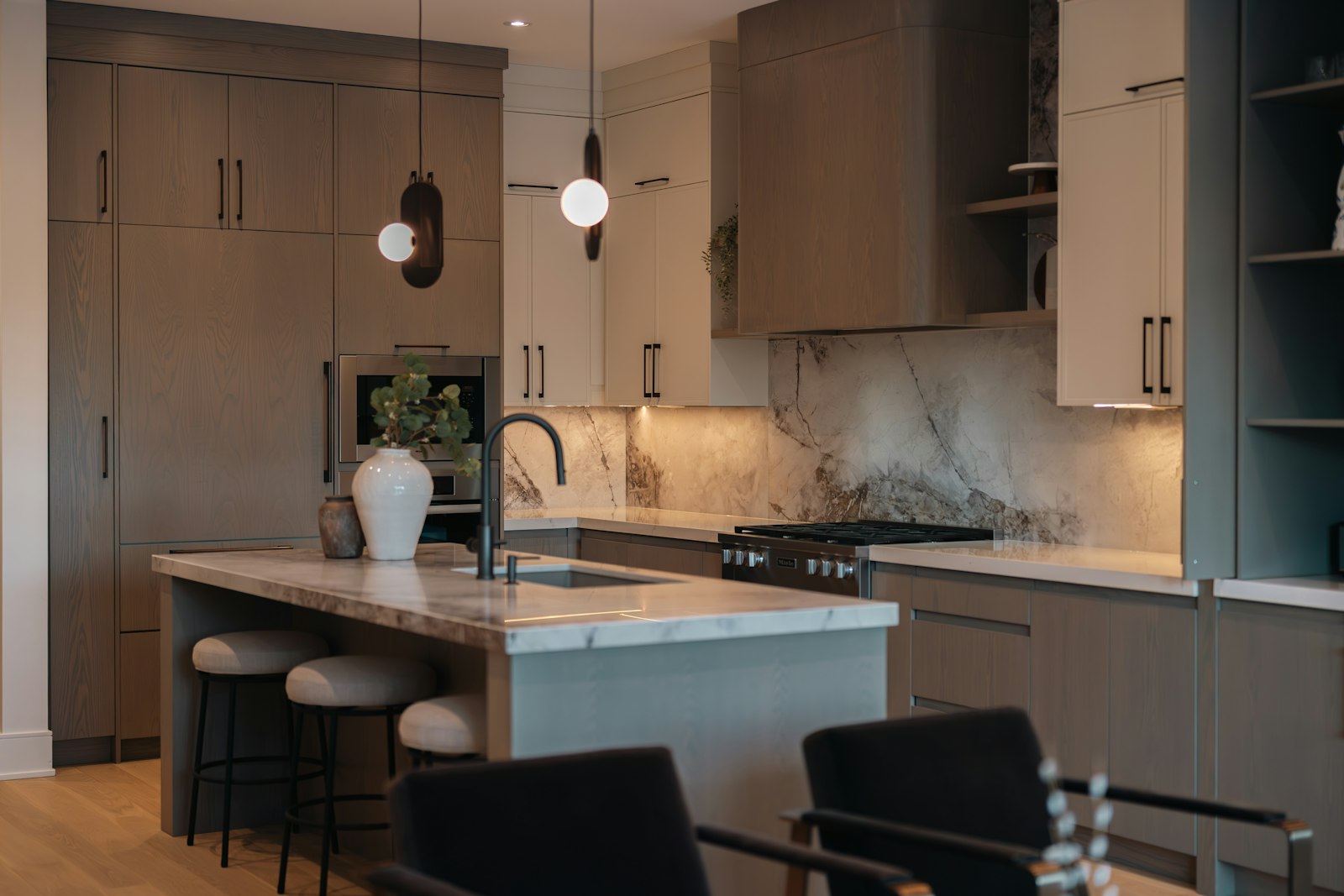
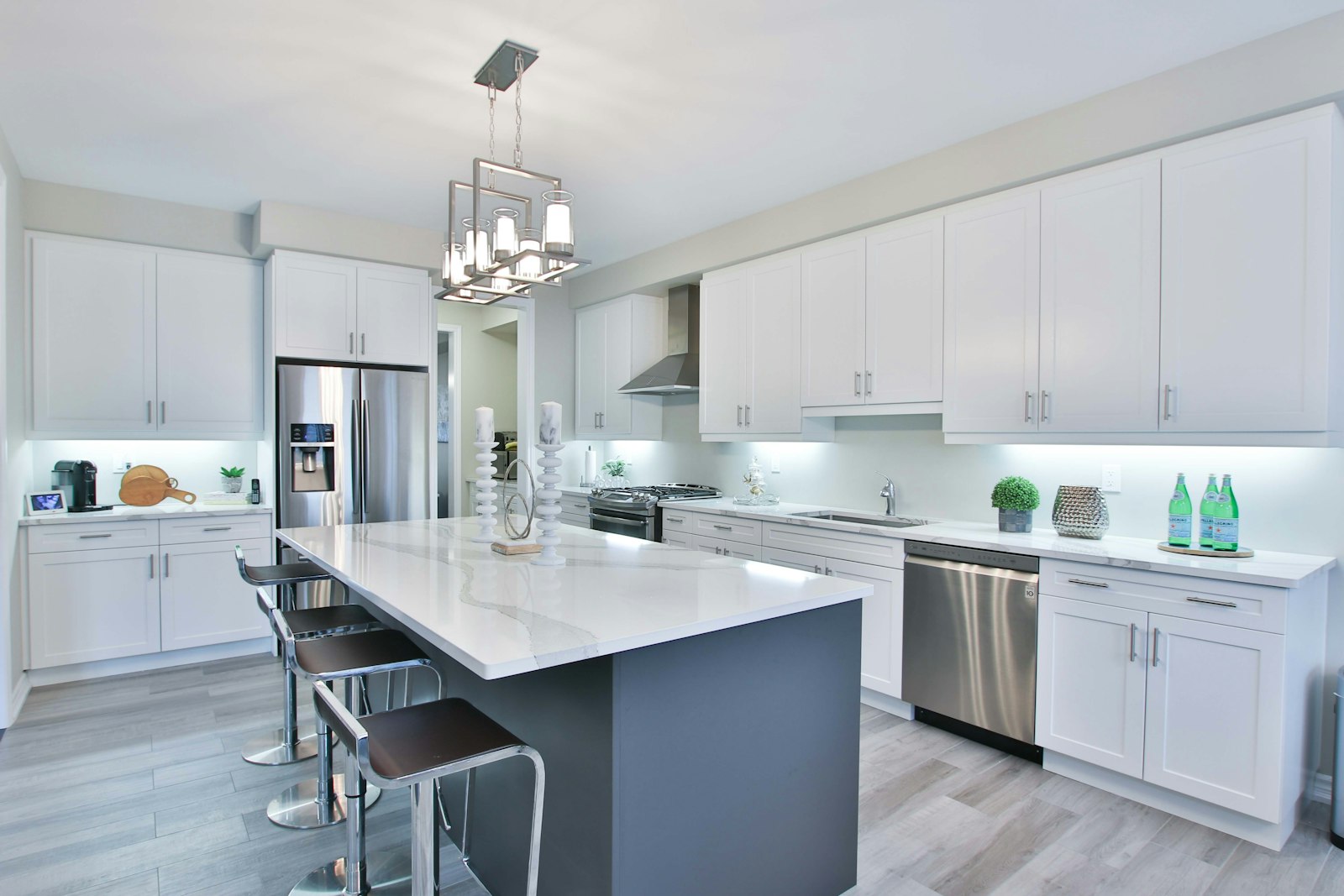
A historic Chester kitchen can have quartz, better lighting, and drawers that close. What it should not need is a picture window punched through a balanced front facade, or a range hood dumped out the original cornice.
Moves that age well:
Keep major plumbing stacks close to existing wet walls when you can.
Use inset or modest overlay cabinets in older rooms. Slab-front gloss fights 12-inch baseboards.
Hide under-cabinet lighting and charging in the millwork, not in a surface raceway across plaster.
In baths, respect ceiling height and window locations. A 5-foot fiberglass surround in a room with a clawfoot ghost and a double-hung window will always look temporary.
If you need more space, an addition off the rear — or a hyphen to a new wing — is almost always kinder to the house than blowing out the front.
4. Make the addition look like it belongs, or like an honest later chapter
Chester’s guidance is plain: additions should not detract from the original style. That does not mean a fake 1812 copy with vinyl “divided lites.” It means matching scale, roof pitch, window rhythm, and materials closely enough that the old house still reads as the main building.
What works in this part of Morris County:
Set the addition back from the front wall.
Keep eave heights and roof slopes related to the original.
Use real wood, brick, or stone where the old house uses them — or a clearly secondary material that does not pretend.
Do not center a three-car garage on a five-bay Federal facade.
A good addition looks inevitable in five years. A bad one looks like the budget ran out of respect.
5. Budget for what you cannot see
Old Chester houses hide the real job:
Stone and rubble foundations that need pointing, not a coat of tar
Uneven floors that throw cabinet lines
Knob-and-tube or undersized panels that will not carry a modern range and a heat pump
Chimneys that look fine until the flashing is off
Moisture in sills where a porch roof dumped water for 40 years
Lead paint and, in some eras, asbestos in flooring or wrap
A bid that prices only the pretty drawings is not a bid for this house. Hold a contingency. Open walls in planned locations before you lock cabinet sizes.
6. Upgrade the systems without stripping the character
You can have a safe electrical service, insulation, and a quiet HVAC system without erasing the house.
Add insulation from the attic and careful dense-pack where cavities allow. Do not bury a decorative cornice in foam board because a sticker said R-21.
Use interior storms, or high-quality wood replacements that keep the sash proportion, if the originals cannot be saved.
Route new ducts and refrigerant lines through closets, attics, and the addition — not a soffit across a formal parlor.
Vent baths and kitchens to weather, not into the attic.
Comfort and preservation are not opposites. Lazy mechanical design is.
7. Sequence the work like a house that has to stay standing
Historic renovations fail on logistics as often as on taste.
Confirm historic review and building permits.
Stabilize water: roof, gutters, grading, foundation.
Open and document structure and systems.
Frame any addition and rough-in mechanicals.
Close the envelope.
Then kitchens, baths, floors, and paint.
Doing the marble island before the sill is dry is how you own two projects.
8. Hire people who have worked on old Morris County houses

A crew that only builds new clusters will measure twice and still fight plaster lath, out-of-square rooms, and a committee that cares about muntin width.
Ask to see work on houses of similar age — Chester, Mendham, Morristown, the Washington Township villages — not only open-concept gut jobs in 1990s colonials.
Burrini’s and Sons is a family-owned general contractor at 65 Park Ave in Randolph.
We handle kitchens, baths, additions, and whole-home remodeling in Chester Borough, Chester Township, and the rest of Morris County, including permits and the unglamorous structural work that keeps an old house honest.
If you are planning a renovation in Chester, call (973) 668-9356, email burrinisandsons@gmail.com, or request a free estimate. We will walk the house, tell you what should be saved, and price what actually has to change.

Comments